Dhauli — the hill where war became peace in a single afternoon
We went to Dhauli expecting a monument. We left thinking about a man who looked at what he'd done, and chose to become someone else entirely. That's not really a story about a hill near Bhubaneswar. It's a story about all of us.
The stone that remembers everything
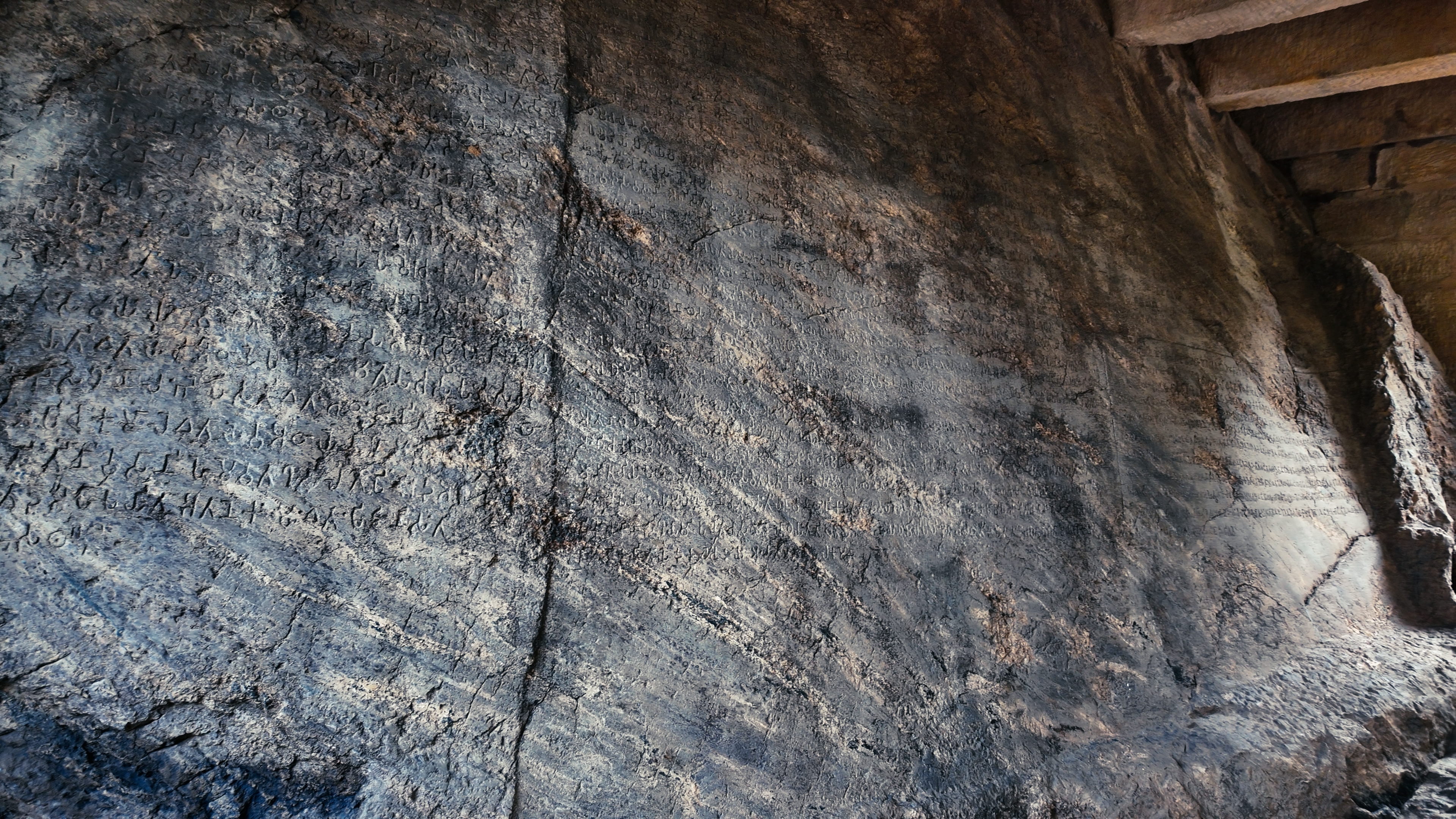
Most people drive straight up to the white stupa and miss the most important part of Dhauli, sitting quietly at the foot of the hill. We almost did too — until a small rock display near the entrance pulled us in. That's where the Ashokan Rock Edicts are.
They're over 2,200 years old. Carved straight into the rock in Prakrit, written in Brahmi script — one of the oldest scripts South Asia has ever known. No paper, no palm leaf, nothing that could fade or burn. Emperor Ashoka wanted his words about compassion, tolerance and good governance to outlast him, and they have.
Look closely and you'll notice something odd. Edicts 1 to 10 are there, and so is 14. But 11, 12 and 13 are missing — nobody really knows why. In their place, Ashoka had two separate edicts carved, addressed directly to the people of Kalinga. The very people he had just defeated in war. We stood there for a while just taking that in — a conqueror, writing to the conquered, almost like an apology in stone.
Even stranger: for nearly two thousand years, these edicts sat here in plain sight and the world simply forgot what they meant. It took a British officer, Markham Kittoe, to rediscover them in 1833 and tell everyone what had been here all along.
An elephant, walking out of the rock
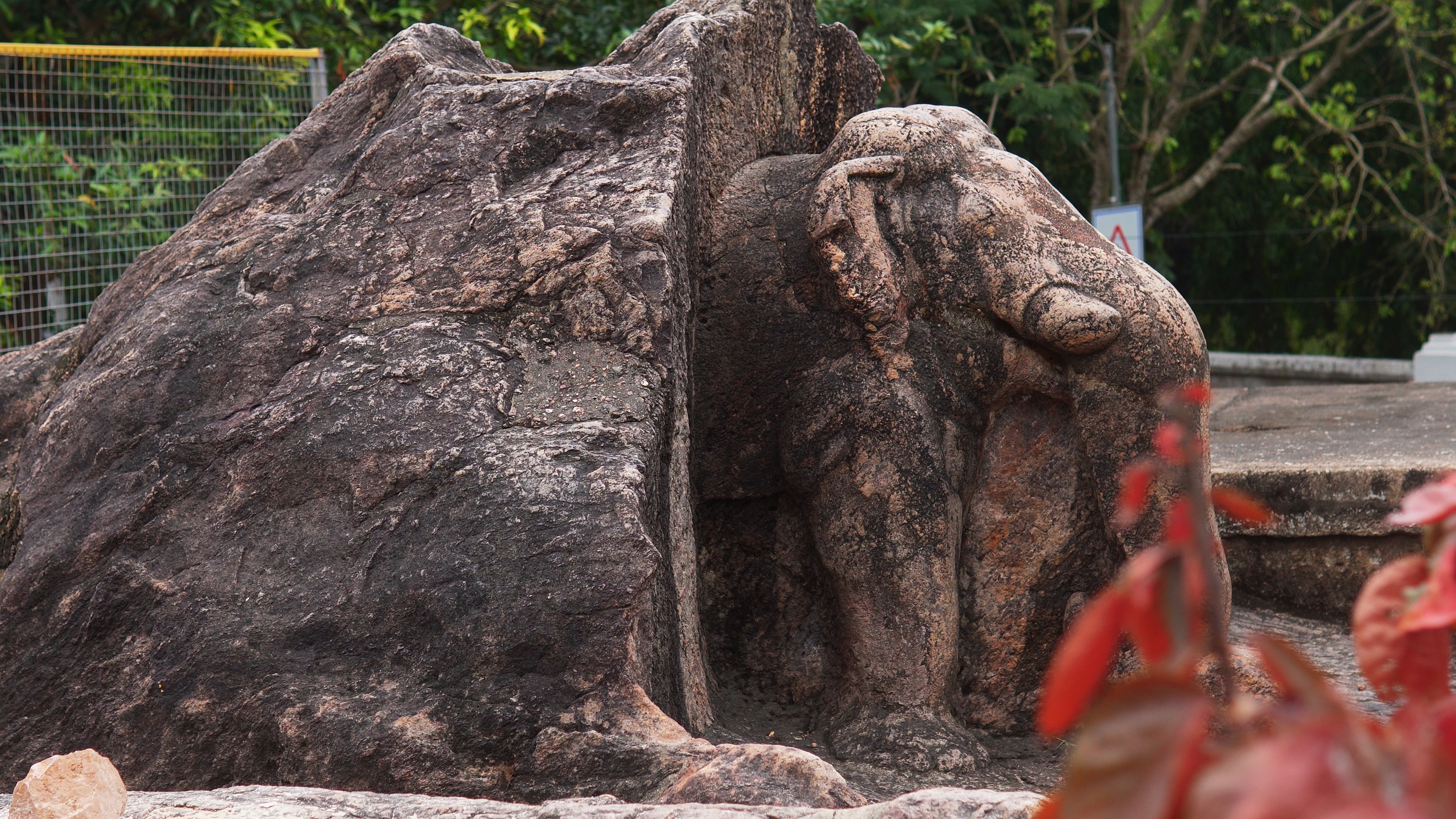
Right beside the edicts is something almost every visitor walks past without a second glance — an elephant, carved into the same rock face, looking for all the world like it's pushing its way out of the stone itself.
It's believed to be one of the oldest Buddhist sculptures in Odisha. In Buddhist tradition the elephant is tied to the Buddha's own birth, and here at Dhauli, this particular elephant is thought to mark the exact spot where Ashoka's transformation began — where the king who started the Kalinga War became the king who couldn't live with what he'd seen.
Up at the Peace Stupa
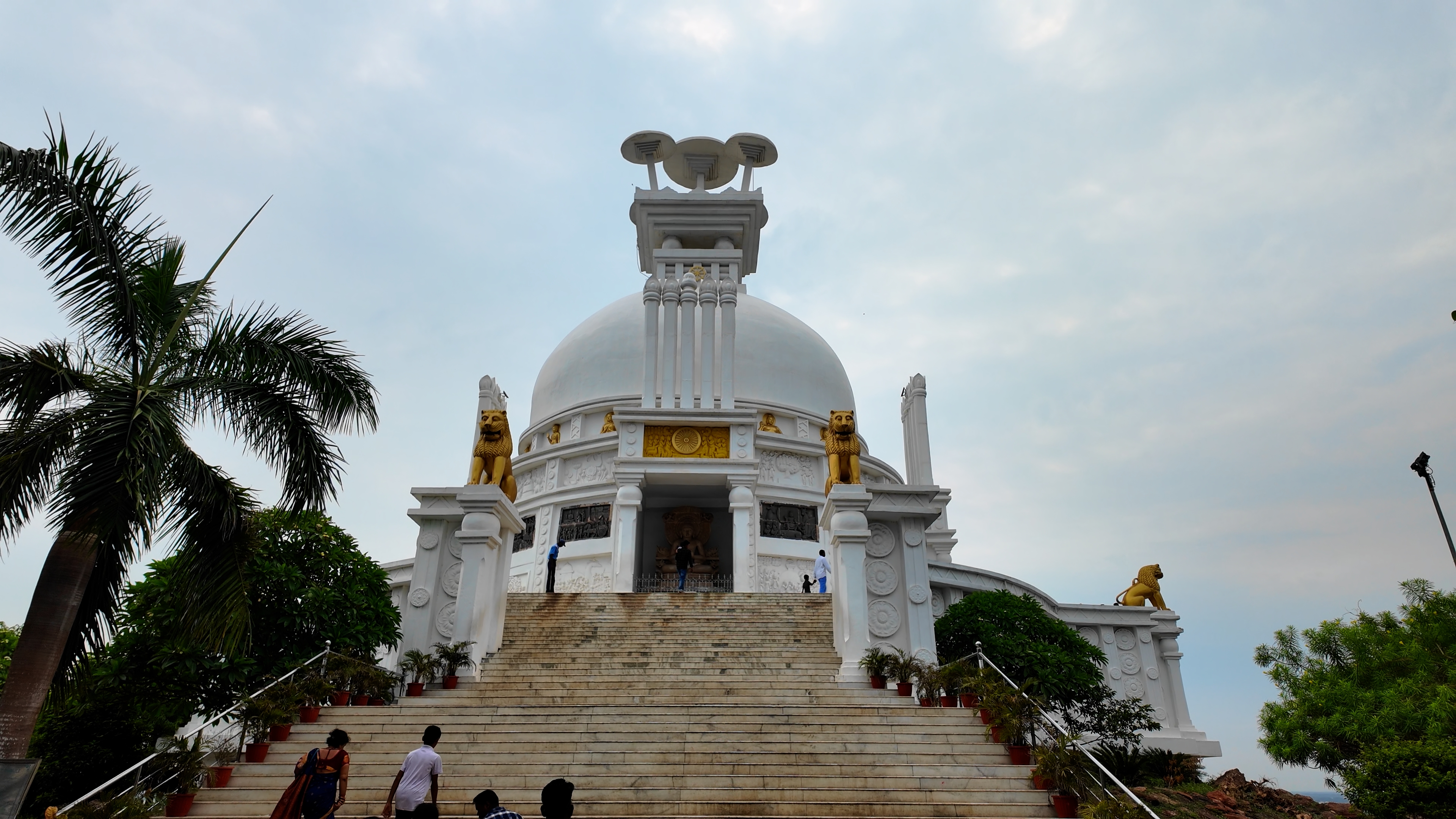
From there the road climbs, and the white dome of the Dhauli Shanti Stupa comes into view. It was built in 1972, a joint effort between Buddhist organisations in India and Japan — Nipponzan-Myohoji — under the guidance of the Japanese monk Nichidatsu Fujii, who built peace stupas like this one in different corners of the world.
What makes it more than just a pretty white dome is where it stands. This is the very spot where, after the Kalinga War, Ashoka stood and looked at what war had actually done. Not the version in textbooks — the real aftermath. And it changed him completely.
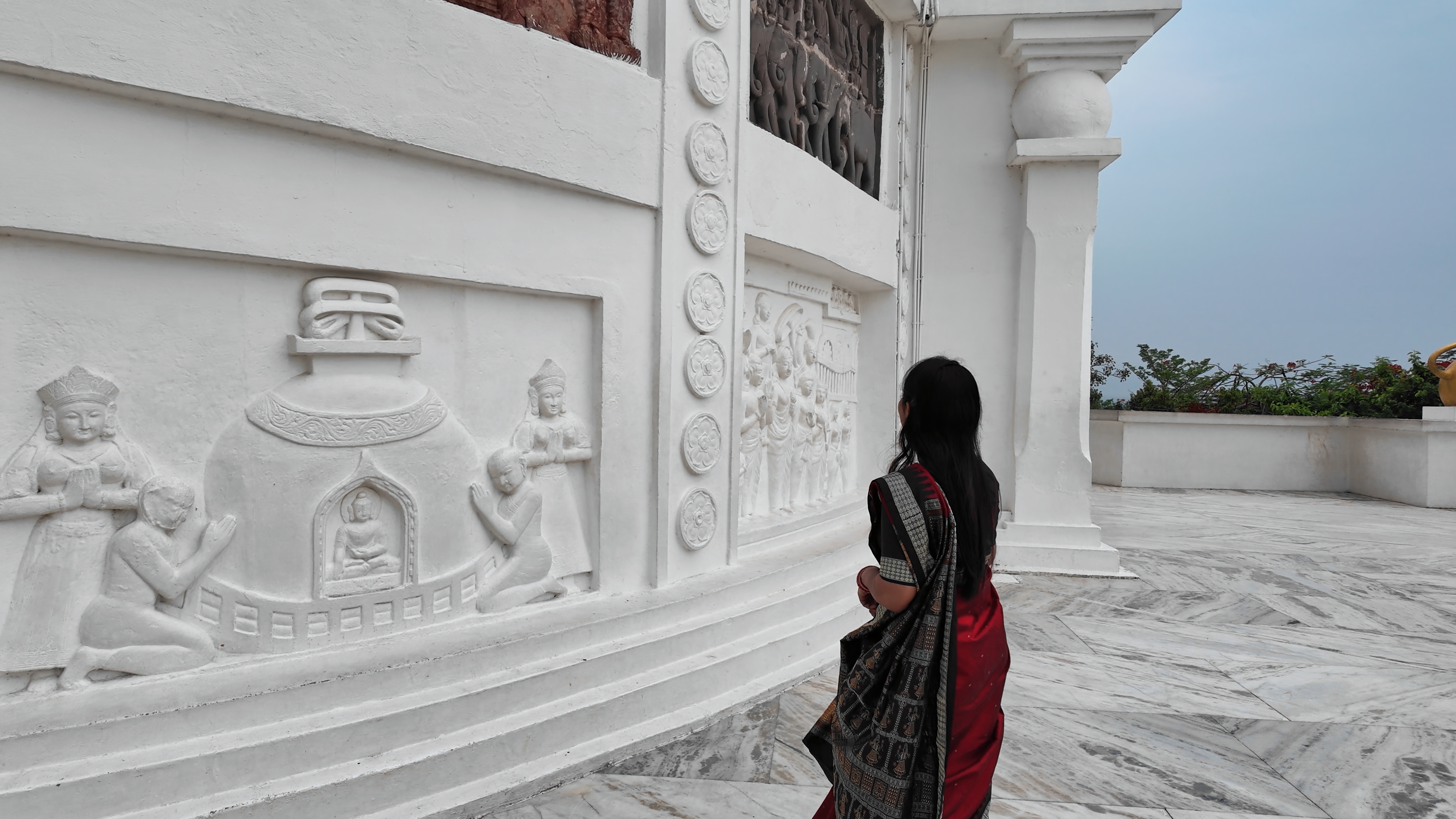
The stupa has three levels — bottom, middle and top — and each level carries twelve sculpted panels running all the way around. Some show scenes from the Buddha's life: his birth, his search for truth, the moment of enlightenment under the Bodhi tree. Others quietly tell Ashoka's own story — how 'Chandashoka,' the fierce and merciless king, became 'Dharmashoka,' the one who chose the path of peace.
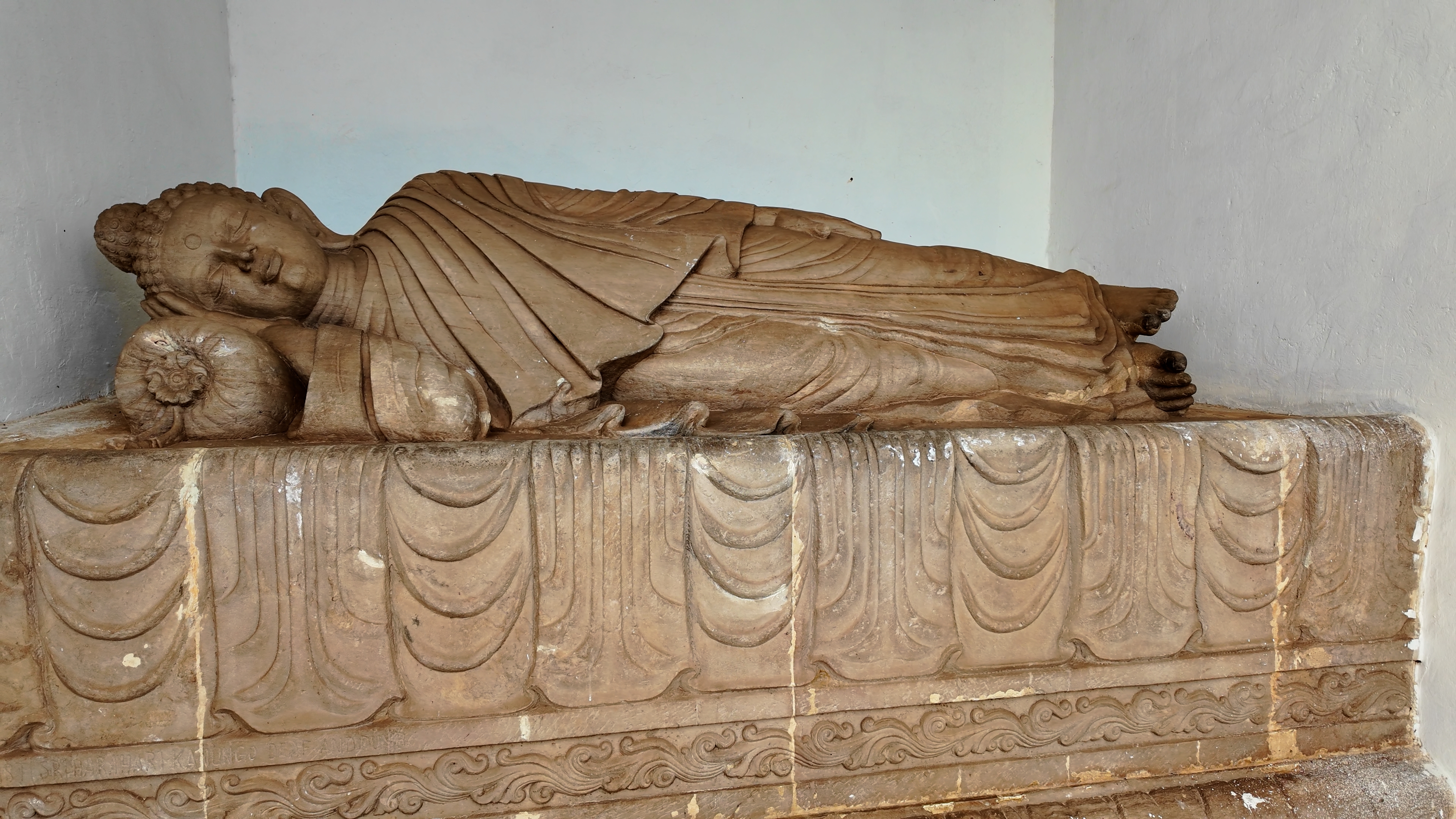
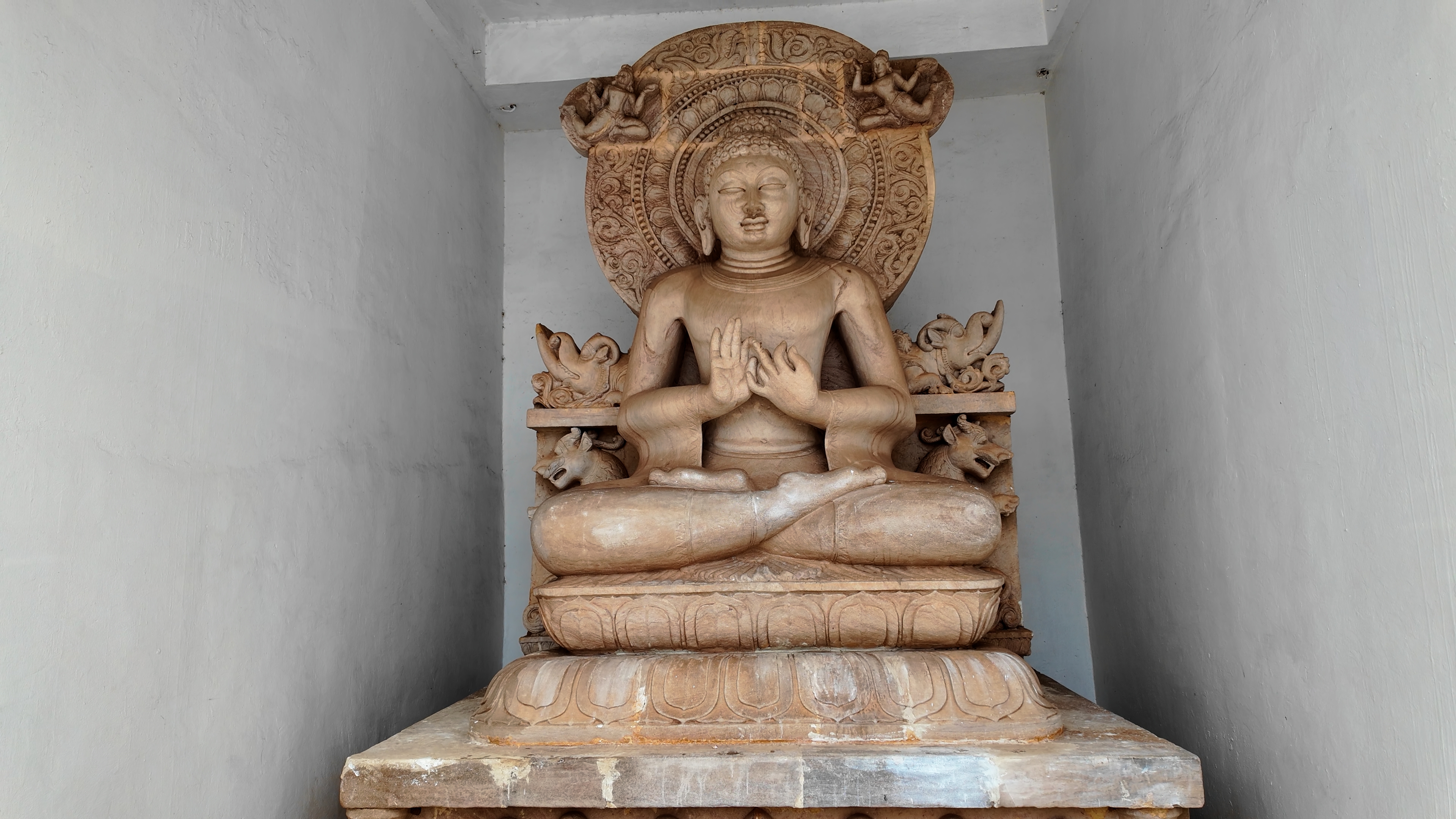
Walk around the stupa and you'll find four Buddha statues, one facing each direction — east, west, north, south — each in a different mudra, each representing a different teaching: peace, knowledge, compassion, dharma. Together they're meant to send that message of peace outward, in every direction, to the whole world.
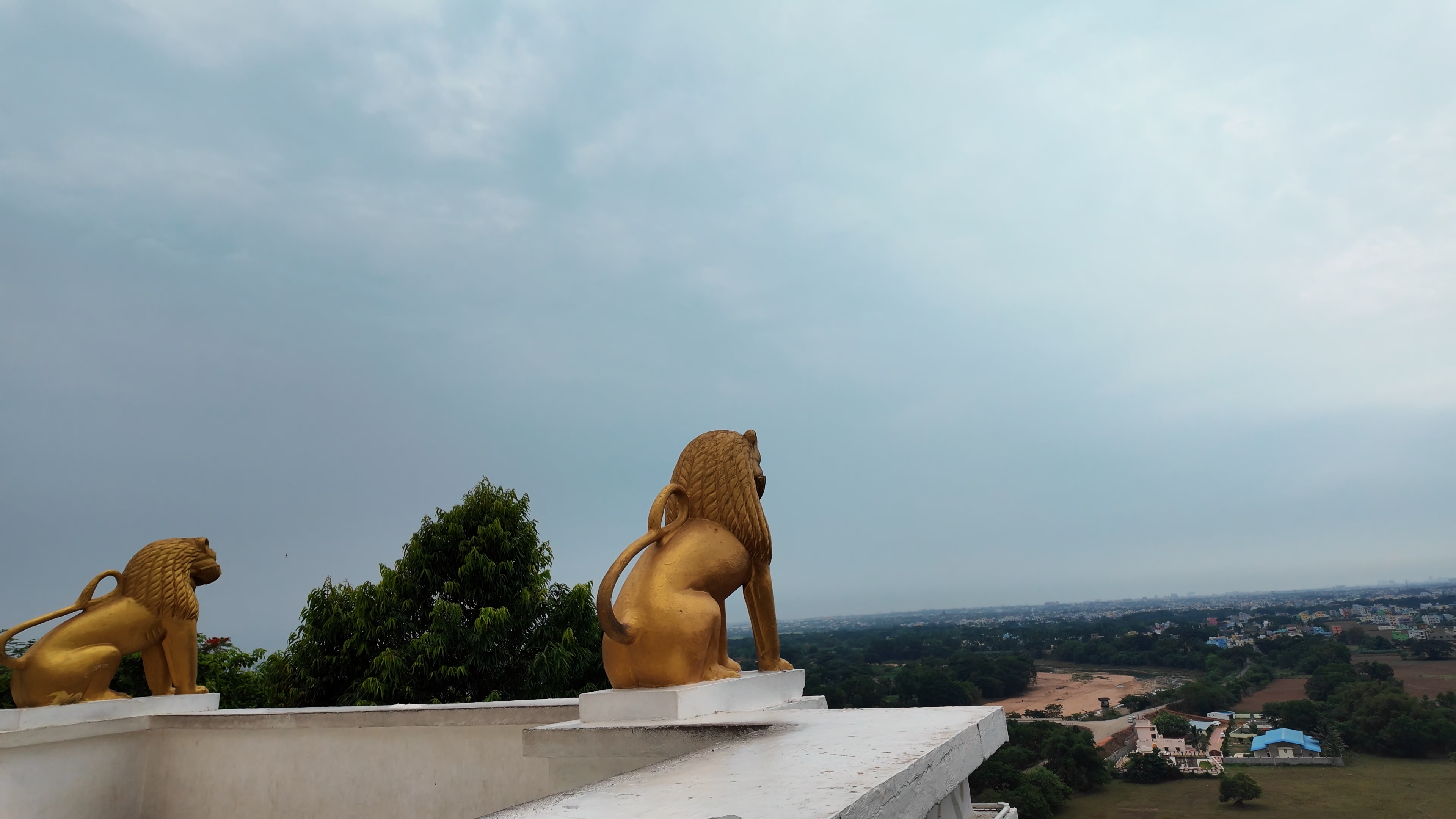
At each corner, a pair of lion statues keeps watch. In Buddhist tradition they represent Bodhisattvas — beings who reached enlightenment but chose to stay in the world anyway, to help others find their own way. So they're not just decoration. They're a quiet reminder of why this whole place exists.
A detour to the river
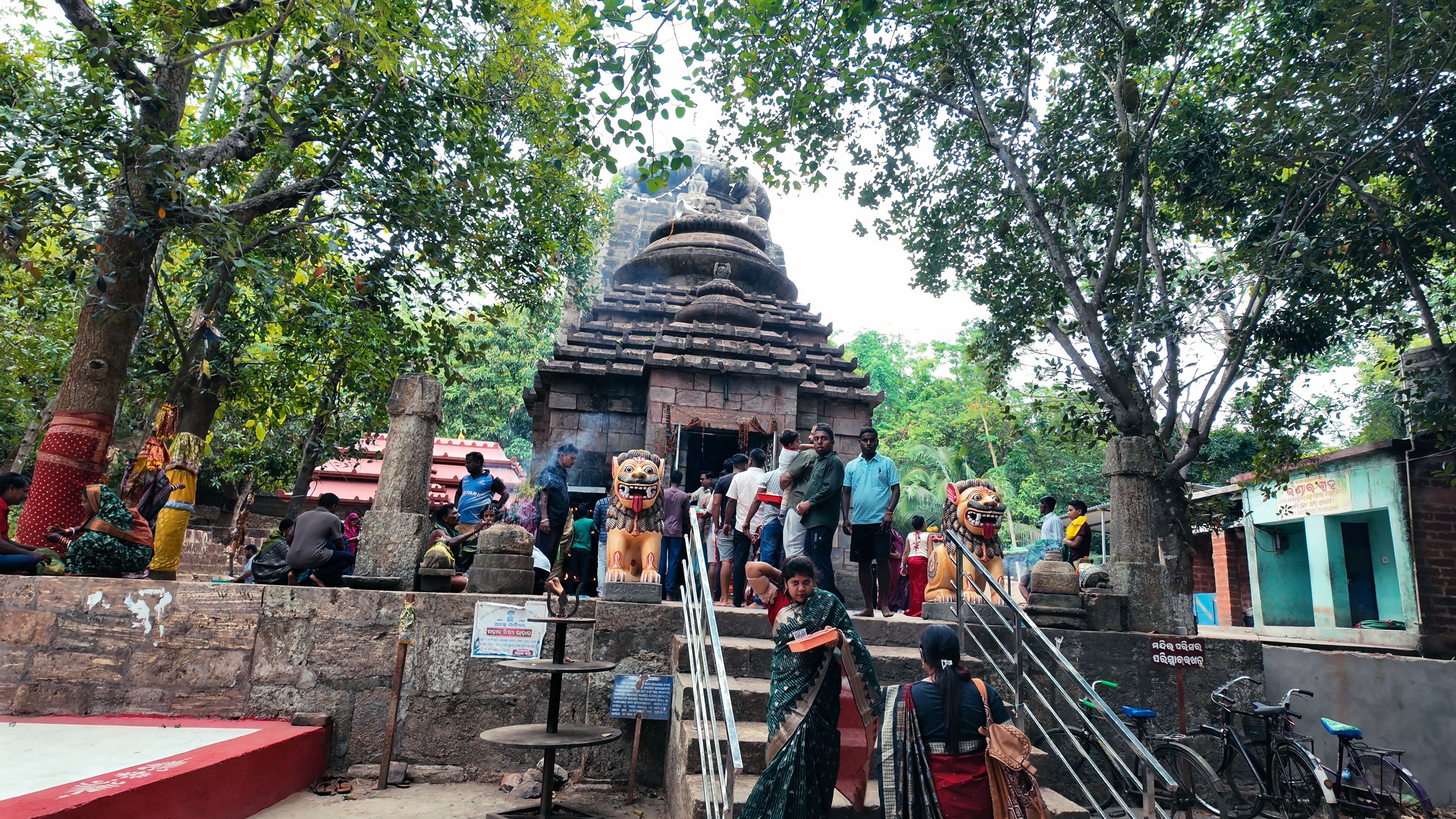
Coming down from the stupa, instead of heading straight back, take the right turn from the parking area. It leads toward the Daya River — and on the way, there's an old stone temple most visitors never hear about: the Bhairangeswar Shiva Temple, believed to date back to the 7th or 8th century, built during the Shailodbhava dynasty. It's one of the oldest stone temples in the whole Bhubaneswar region, sitting quietly near Khatuapada village.
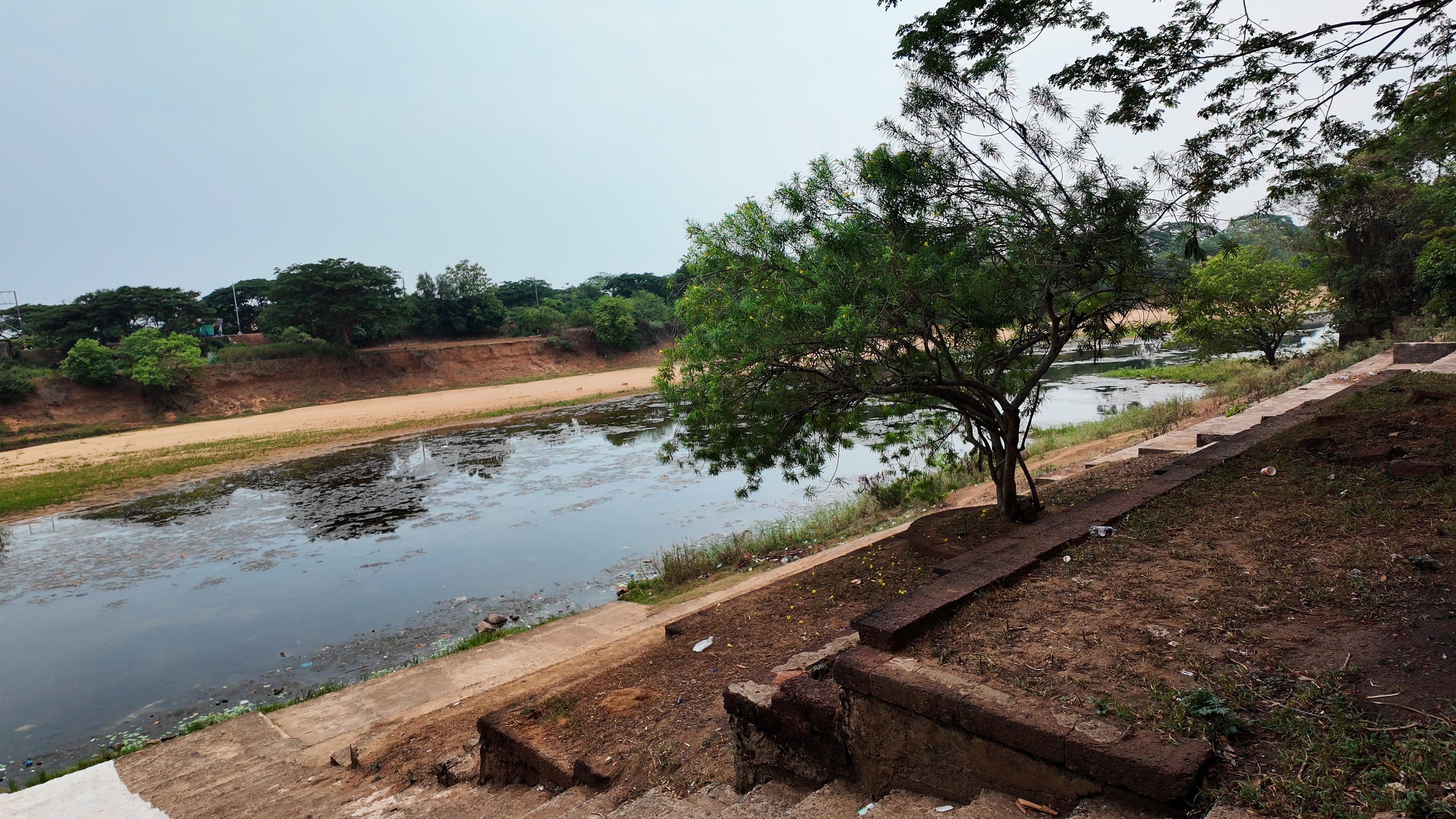
Inside the complex there's a separate shrine for Lord Ganesha — a massive idol, close to two metres tall, with his vehicle, the mouse, placed right in front of him. After that we just walked down to the Daya riverbank and sat there a while, not really talking, just watching the water.
The pillar, the park, and a battlefield gone quiet
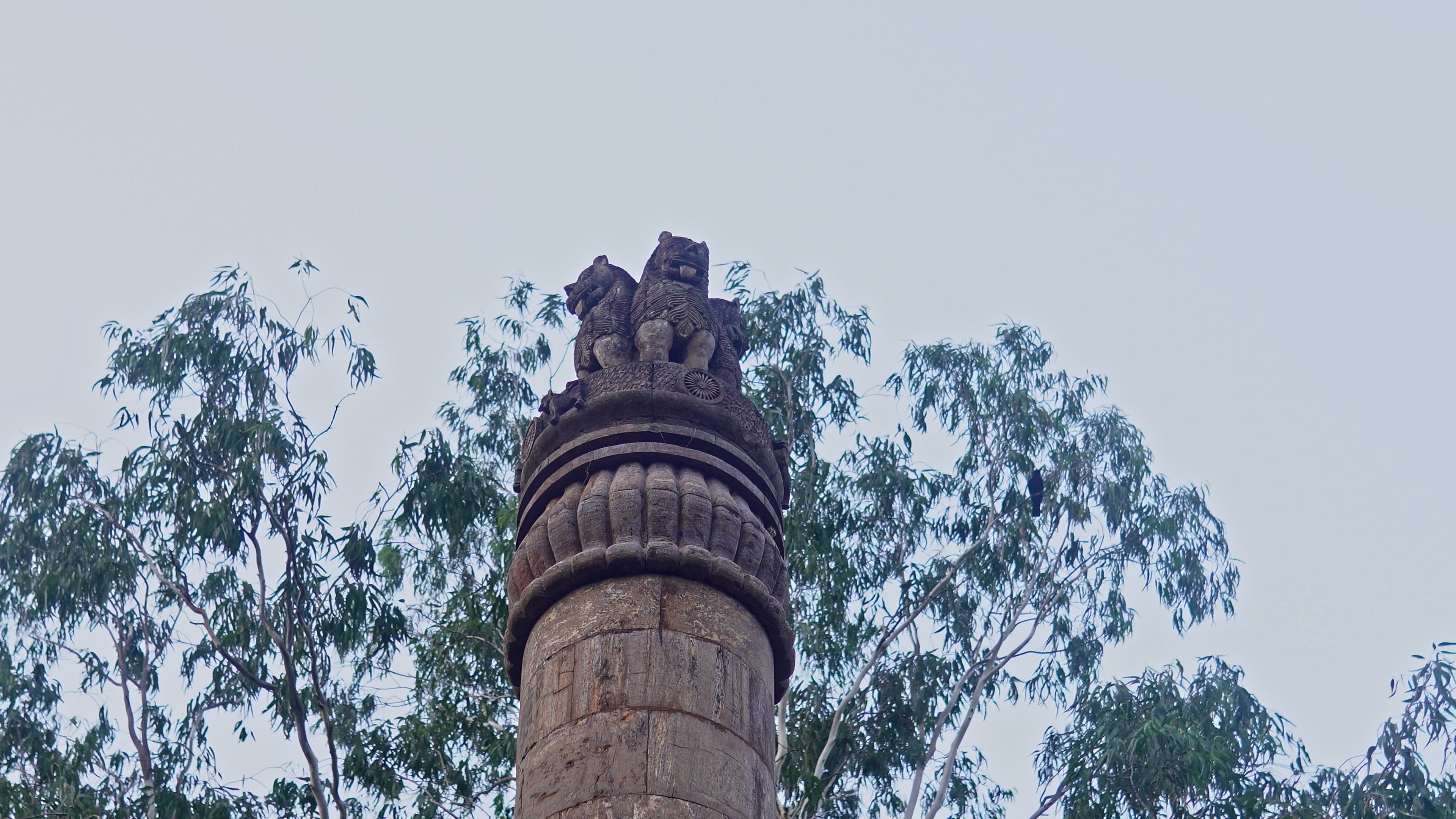
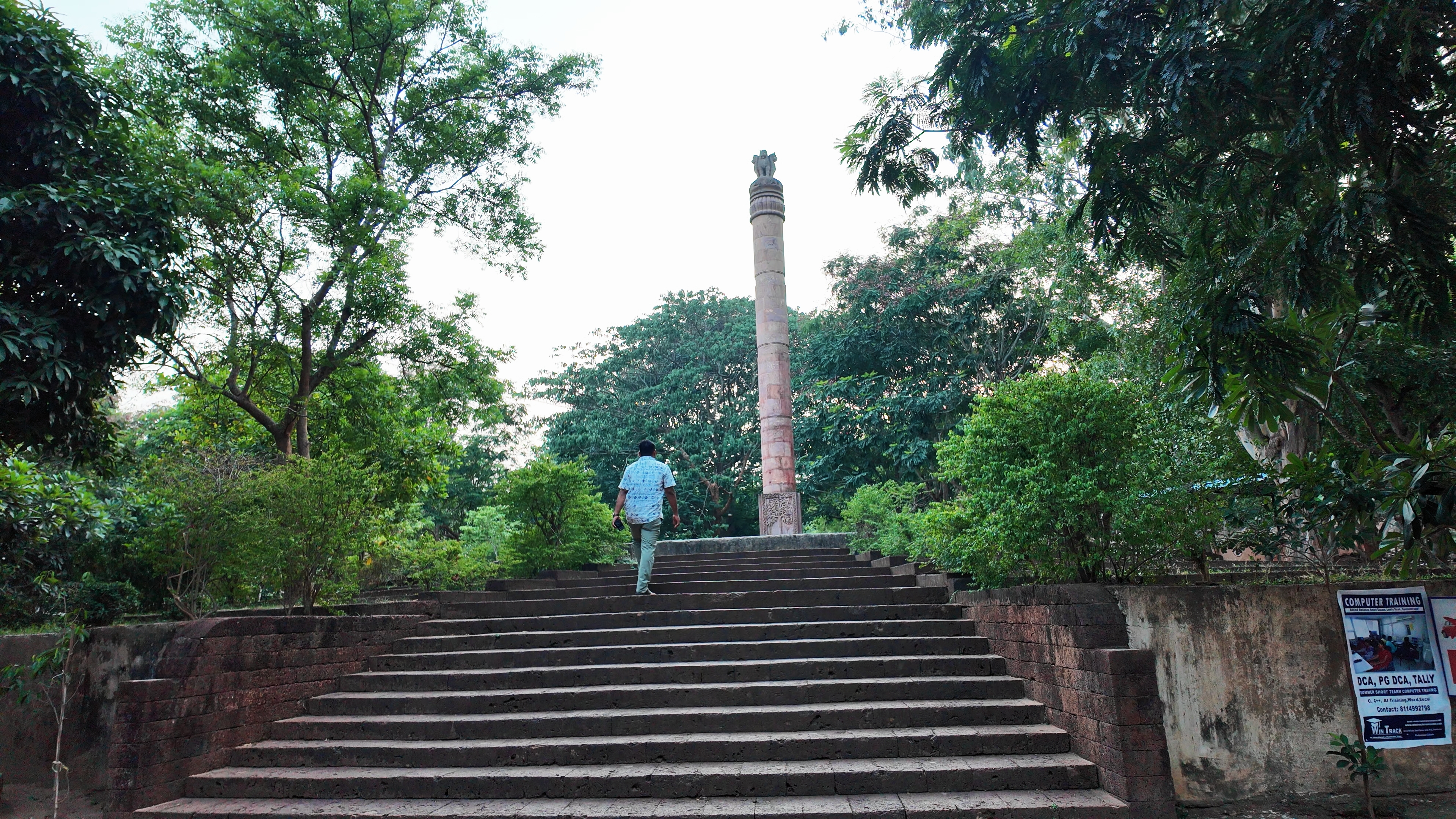
Back near the rock edicts, a left turn took us to the Ashoka Pillar — and here's an honest bit of trivia most people get wrong: this pillar isn't ancient at all. It's a modern structure, built to echo the real Ashoka Pillar at Sarnath from the 3rd century BCE. Worth seeing, just not worth mistaking for an original.
There's a public gym nearby (genuinely, if you're the sort who likes to work out with a view), and a little further on, the Nipponzan Myohoji Japanese Buddhist Temple. Ours was closed the day we visited — no idea why — so we just looked at it from outside and moved on. Worth checking ahead if you specifically want to go in.
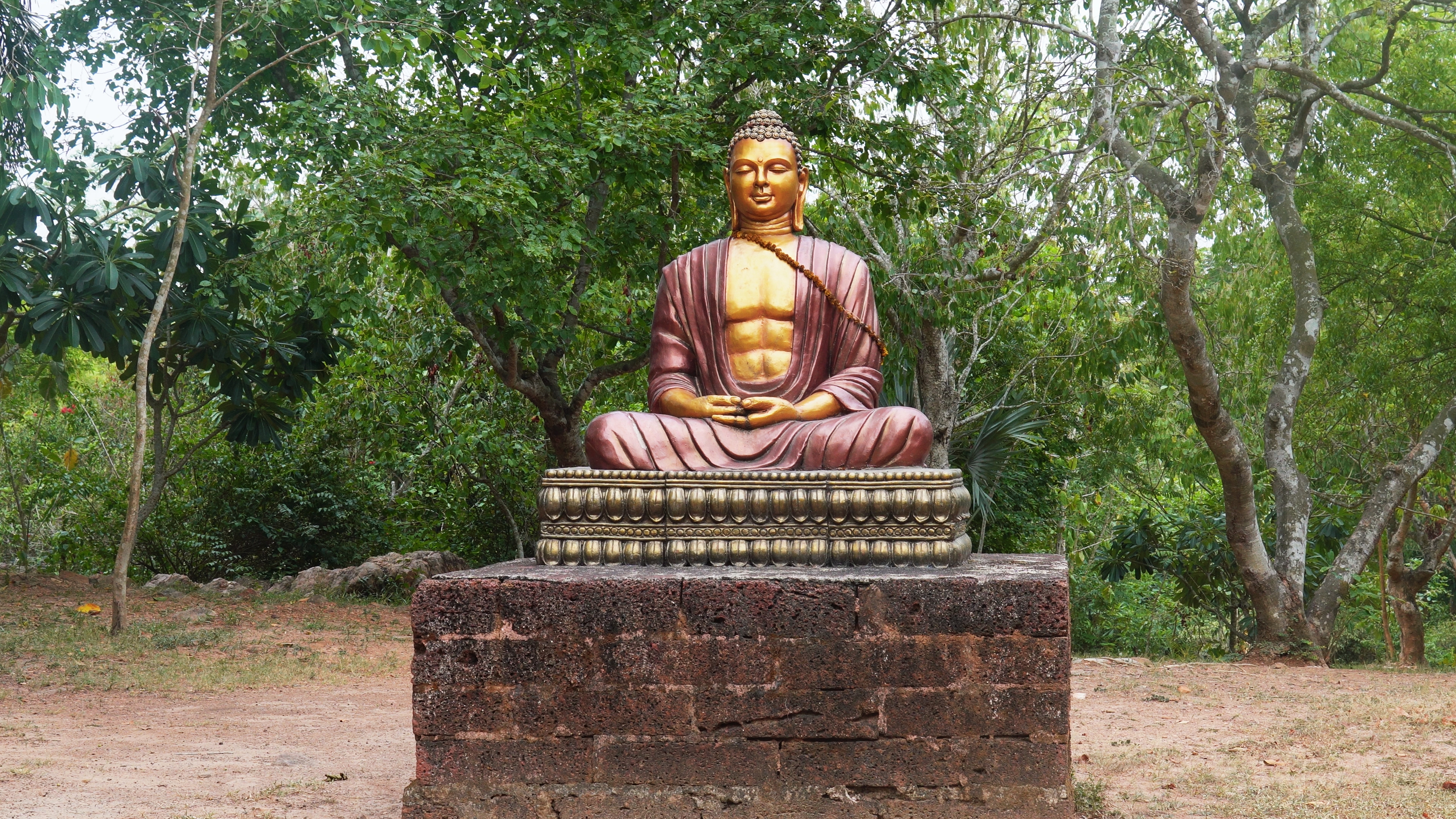
Close to the pillar is Peace Park, full of Buddha statues in different meditation postures, wrapped in green and quiet. It's a strange kind of irony, standing there — because this exact ground is where historians say the Kalinga War was fought, in 261 BCE.
Kalinga, back then, was rich and fiercely independent — one of the few kingdoms that hadn't bent to the Mauryan Empire. Ashoka wanted that to change, and the war that followed was brutal by any account: more than 100,000 people killed, over 150,000 displaced. Historical accounts say the Daya River ran red. Ashoka won. But what he saw afterward — the scale of the loss, the suffering that victory had actually cost — didn't feel like winning at all. It broke something in him, and rebuilt something else.
Where Shiva and Buddha share a hill
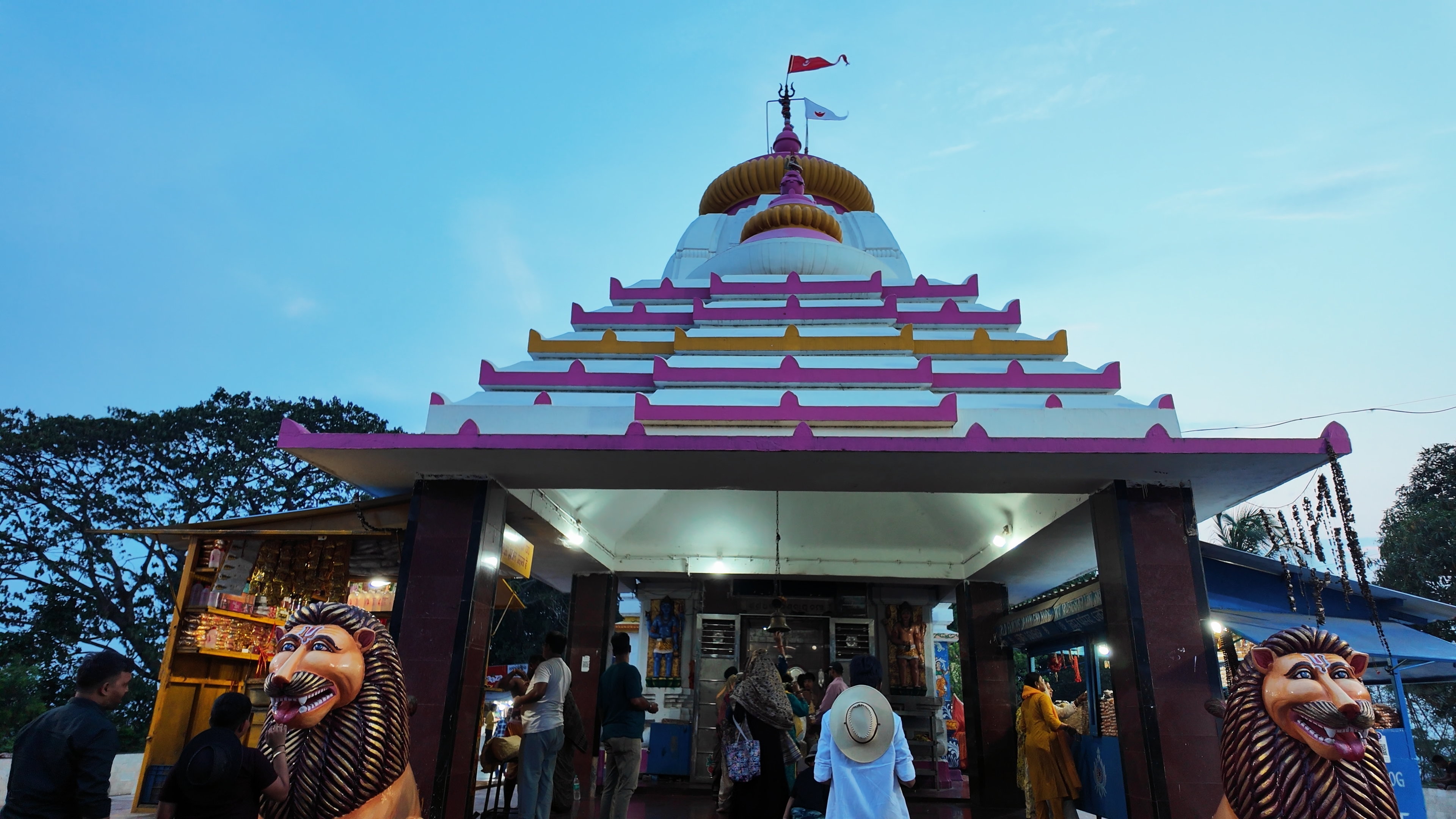
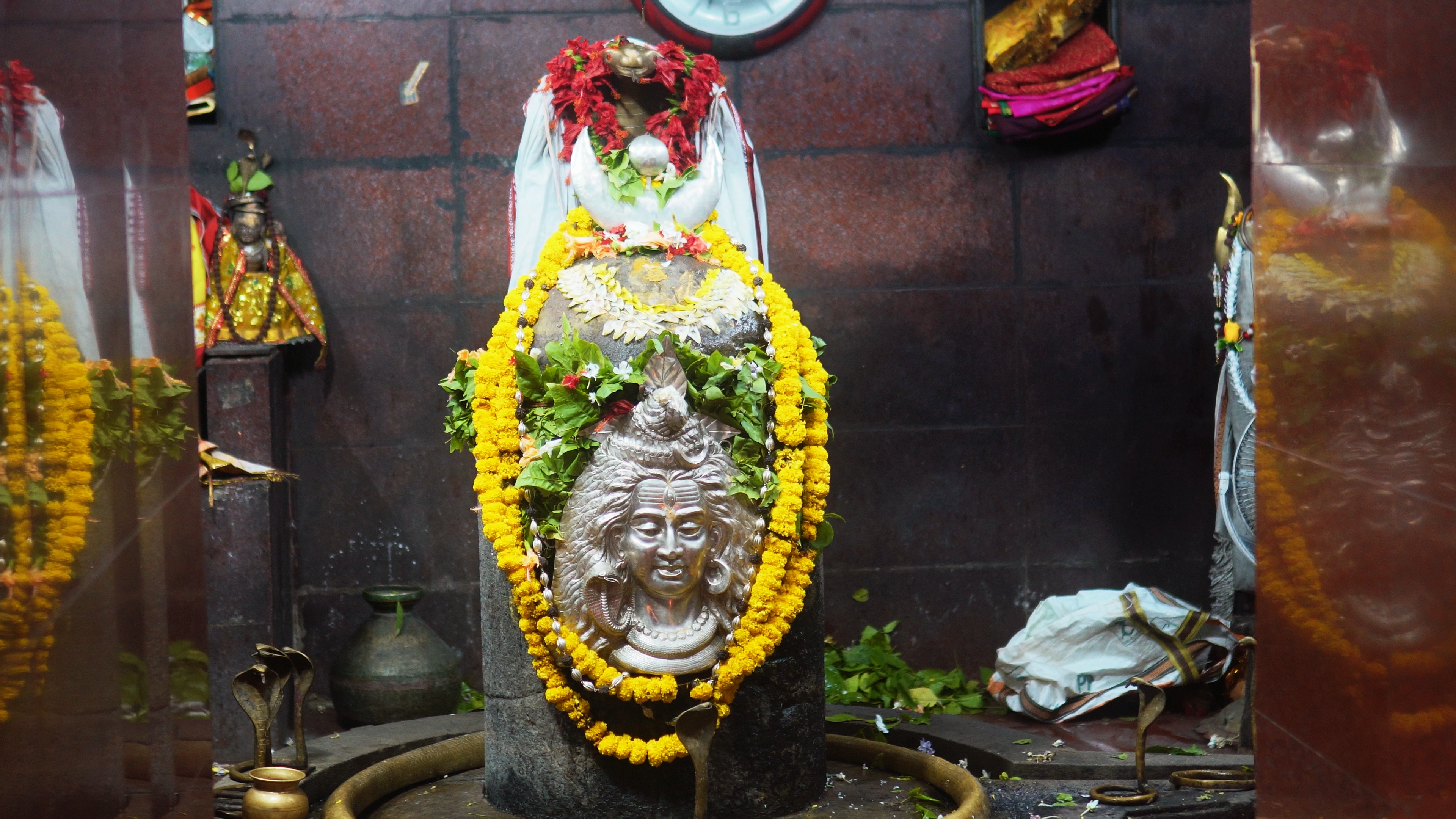
Right behind the Peace Stupa, almost hidden from the main path, is the Dhableshwar Temple — an old Shiva temple that's been here long before any of the Buddhist structures. You can reach it from either side, from the stupa or from the Ashoka Pillar road, and the walk between the two faiths sharing one hill is, honestly, one of the most striking things about Dhauli.
We got lucky with our timing — the evening aarti was on at the nearby Lakshmi Narayan Temple when we arrived. Bells, conch shells, that particular hush that settles over a crowd mid-prayer. We took darshan there first, then walked over to Dhableshwar, where the temple complex also holds idols of Ganesh, Kartikeya and Maa Kali.
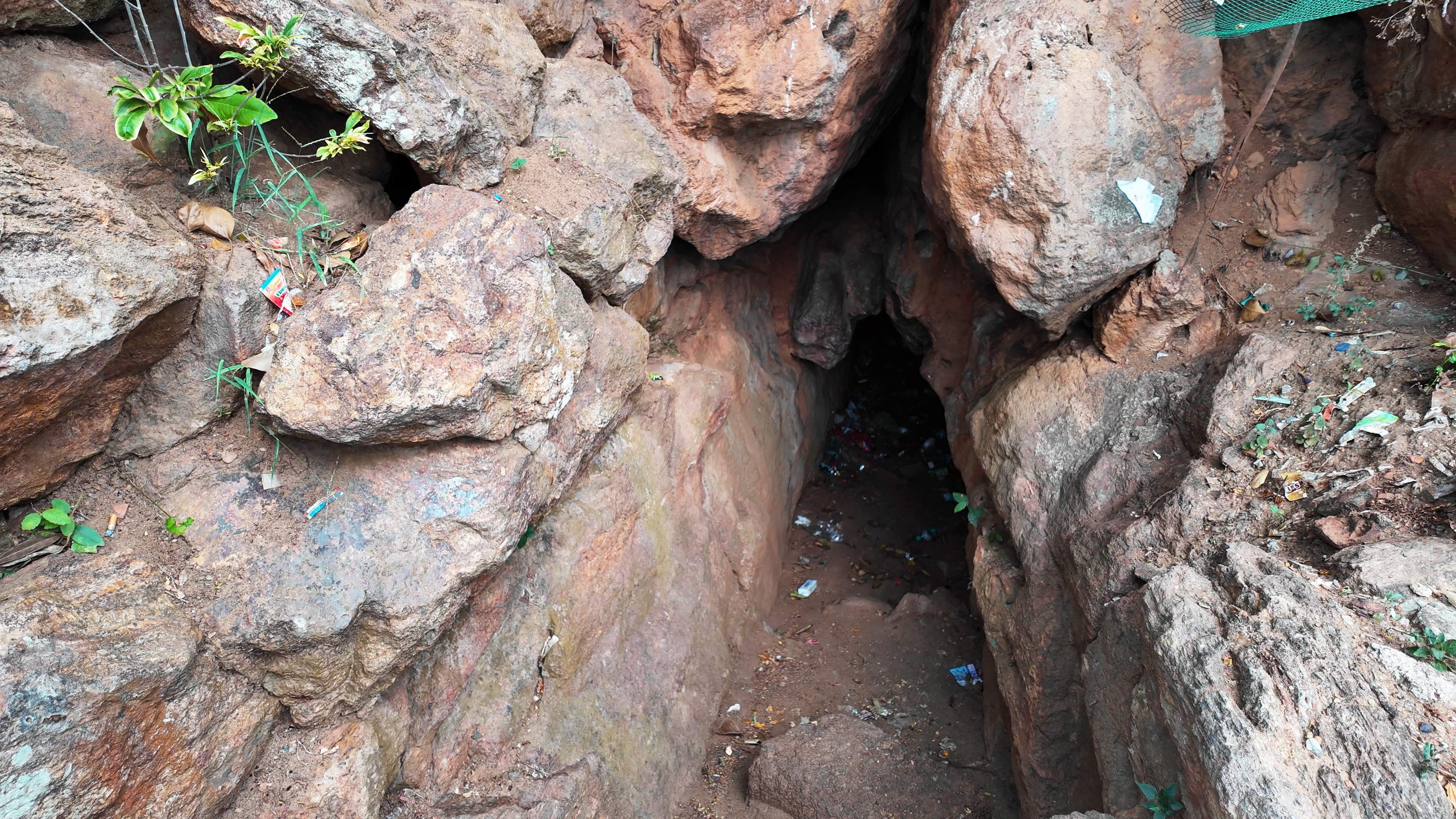
And then there's the part that still has us curious: behind the temple, there's said to be a secret tunnel running some 15 kilometres to Khandagiri. It's barricaded now, completely inaccessible, and nobody seems to have a clear answer on when it was built or why. We stood at the barricade for a minute, just wondering.
When the stupa lights up
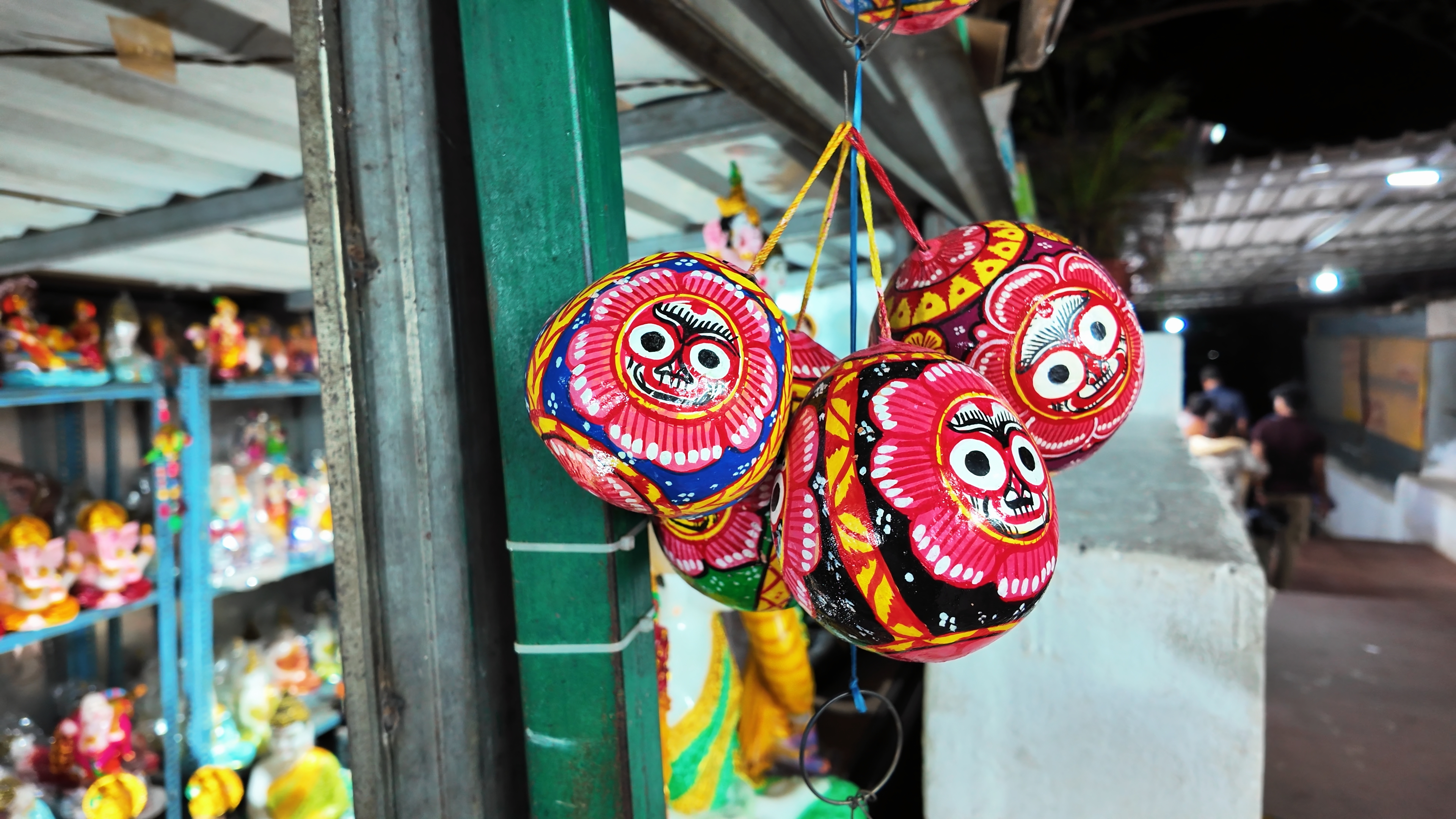
By the time the light started to fade, the stalls around Dhauli had filled up — souvenirs, dry fruits, fast food, the usual cheerful evening chaos. We did what we always do and bought a fridge magnet. It's a small ritual by now.
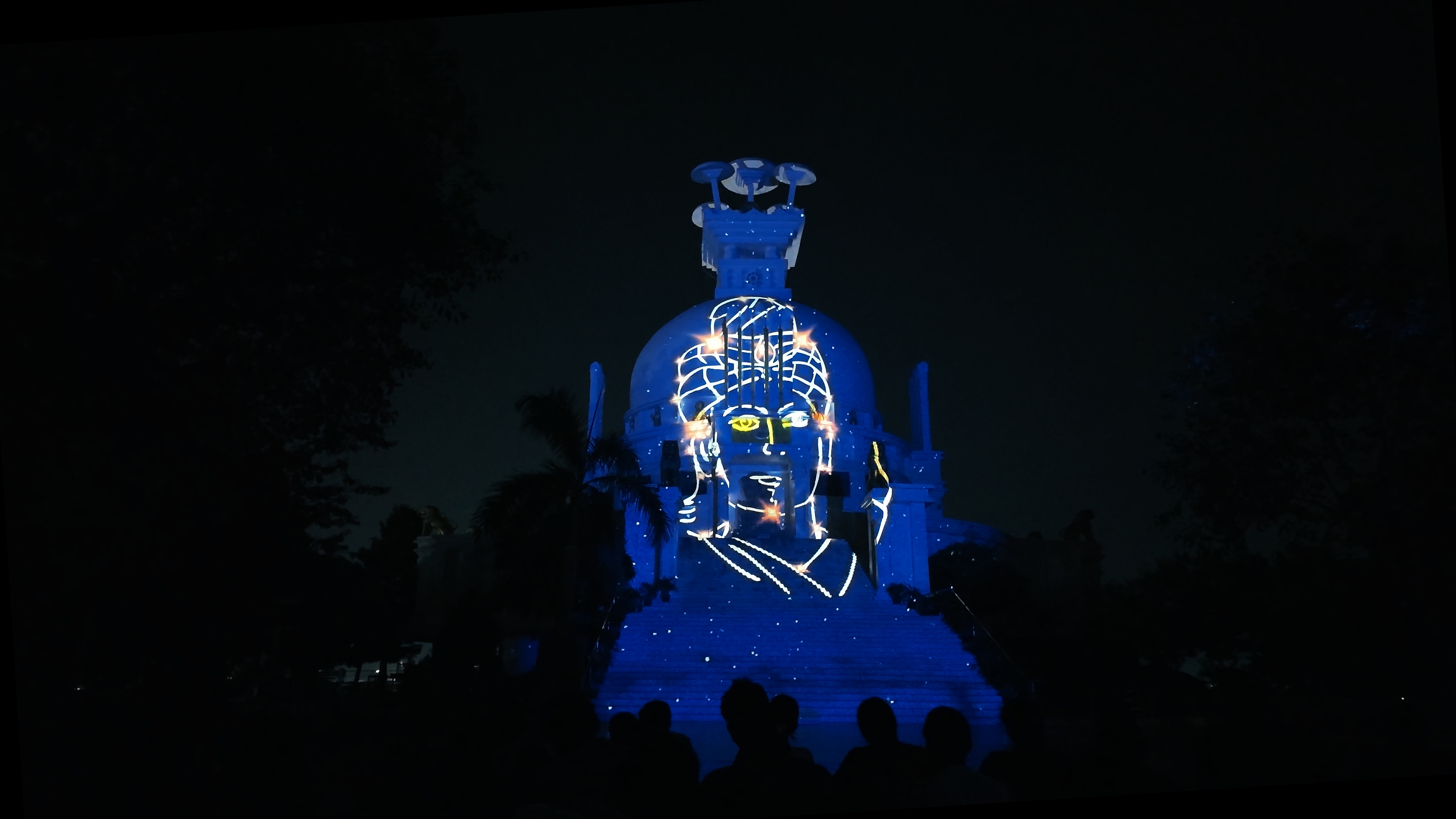
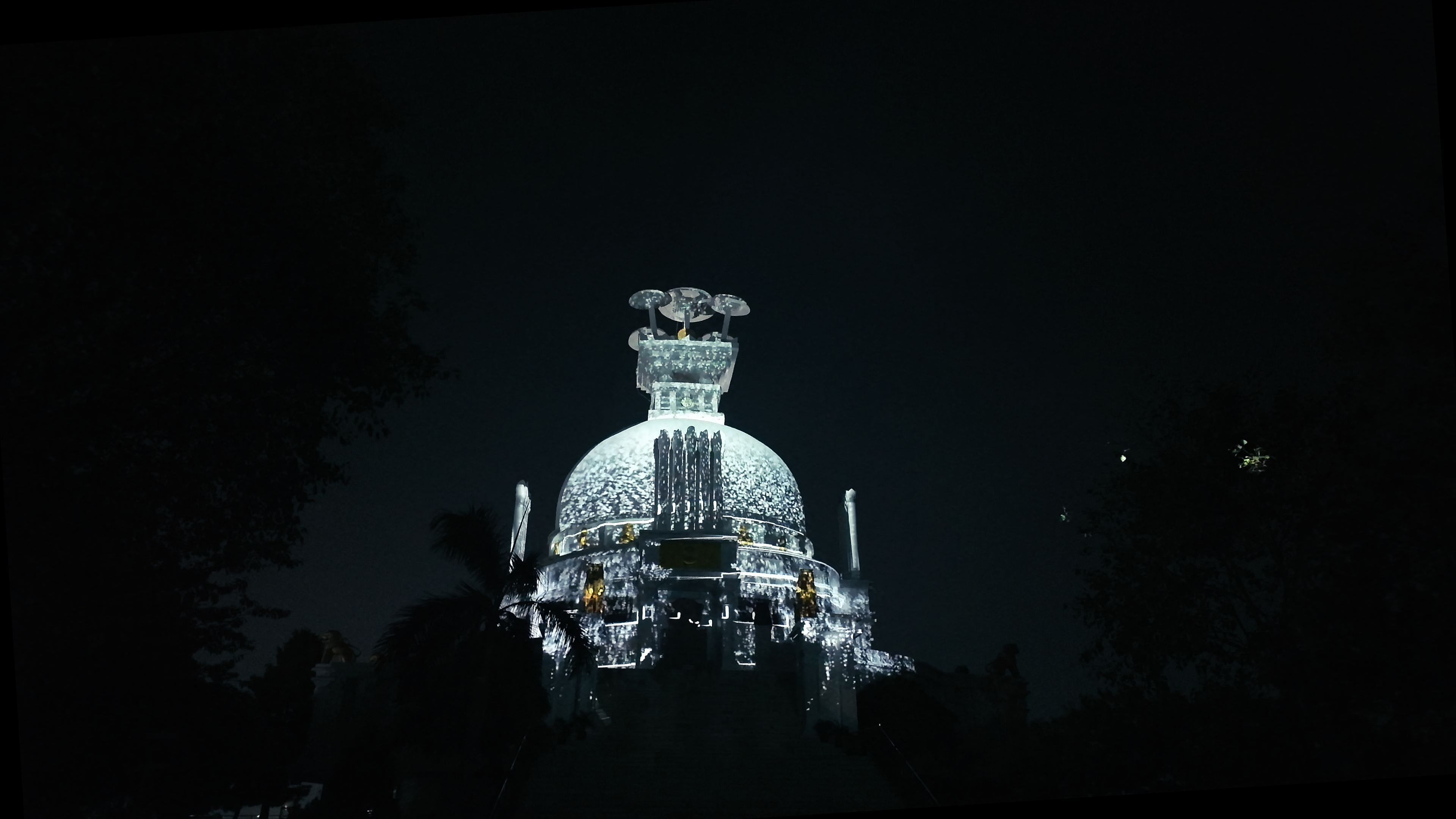
But the real reason to stay till evening is the light and sound show, projected straight onto the Peace Stupa. It retells the whole story — the Kalinga War, the bloodshed, and Ashoka's transformation — in light, sound and imagery, and it's genuinely moving watching that history play out on the very hill where it happened.
Tickets are ₹100 per person, available at the counter outside the stupa. There are two shows every evening, and the show is closed on Mondays. In summer, the shows run 7:00–7:35 PM and 7:45–8:20 PM; in winter, 6:30–7:05 PM and 7:15–7:50 PM. Worth timing your visit around.
Know before you go
Dhauli's story, in the end, is a simple one — war into peace, power into compassion, victory into humanity. We came down that hill a little quieter than we went up.