There are some journeys you plan carefully — hotels booked, routes mapped, itineraries printed. And then there are the ones that simply call you. Quietly. Persistently. Until one morning you find yourself standing at the edge of a wide, shimmering river, the sound of temple bells drifting across the water, and something inside you just… settles.
That is exactly how our visit to Baba Dhabaleswar felt. Nestled on a serene island in the mighty Mahanadi River, just 14–27 km from Cuttack, this ancient Shiva shrine has drawn pilgrims, wanderers, and seekers for over a thousand years.
This is the story of how we got there, what we felt, and everything you need to know before you go.
What Makes It Special
⛩️
Ancient Shiva Temple
Dating back to the 10th–11th century, built in the Kalinga style during the Somavamshi dynasty.
🌉
Iconic Suspension Bridge
A 245-foot pedestrian bridge swinging above the Mahanadi — one of the longest of its kind in Odisha.
🏝️
River Island Setting
Surrounded by the Mahanadi on all sides, the island creates a natural sanctuary of peace and devotion.
📖
A Living Legend
A centuries-old story of a thief, a black calf, and a divine miracle — that gave this place its name.
How the Day Unfolds
Your Journey, Step by Step
Arrive at the Riverbank
Remove footwear, pick up puja items from the shops lining the entrance, and feel the city noise fall away.
Cross the Suspension Bridge
Step onto the jhula pola, feel its gentle sway, and watch the Mahanadi open up beneath you in every direction.
Darshan at the Temple
Light a lamp, offer flowers and a coconut, and stand before Baba Dhabaleswar. Cameras down. Just presence.
Explore the Island
Wander the temple complex, explore smaller shrines, and take in the river views from different vantage points.
Boating on the Mahanadi
Head to the riverbank for a quiet paddle boat ride. Keep an eye out for river turtles gliding below.
Walk Back Across the Bridge
The return crossing — with the temple behind you and the light changing on the river — is often the best moment of all.
Chapter One
The Jhula Pola — Walking Across the Mahanadi
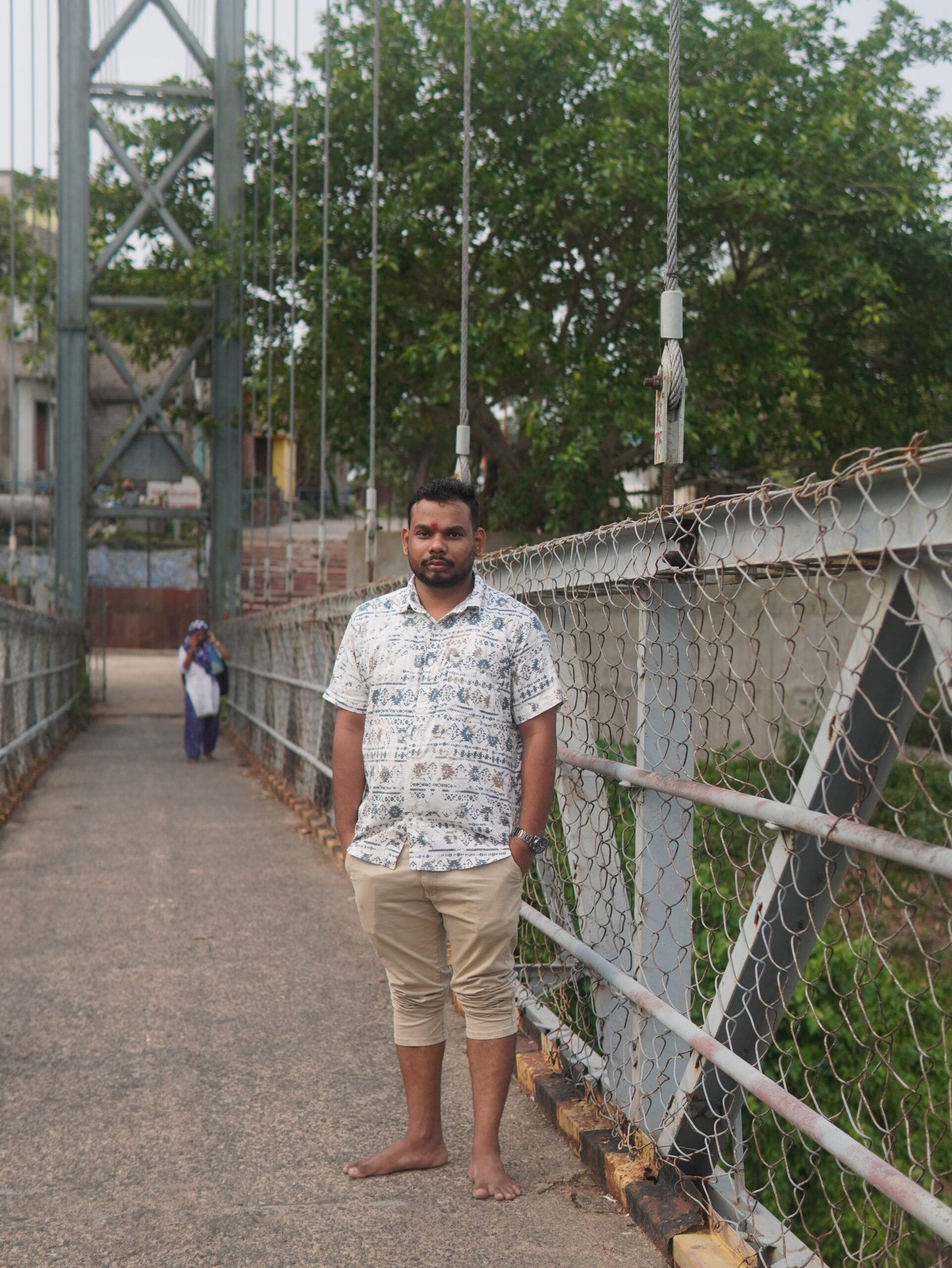
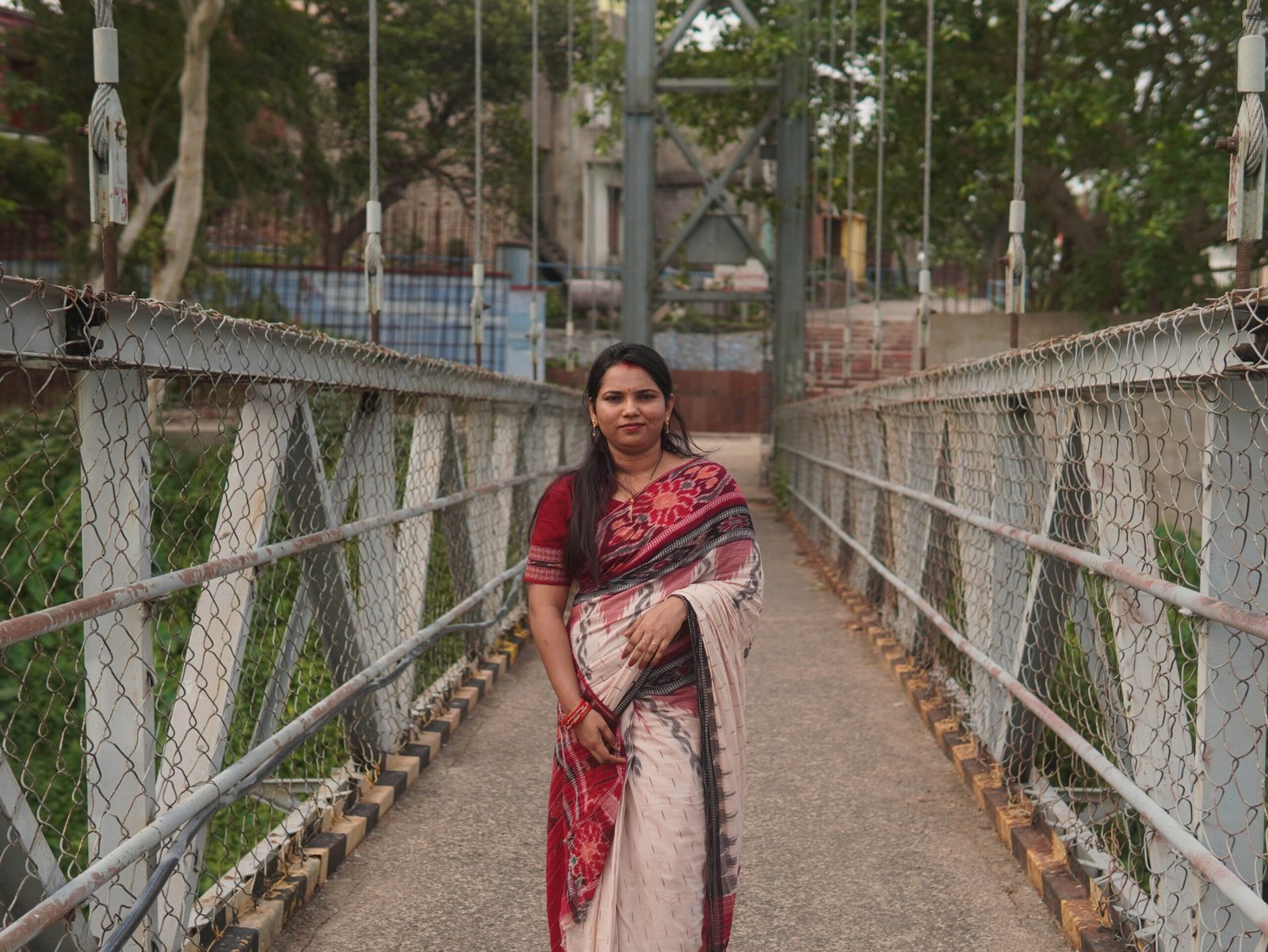
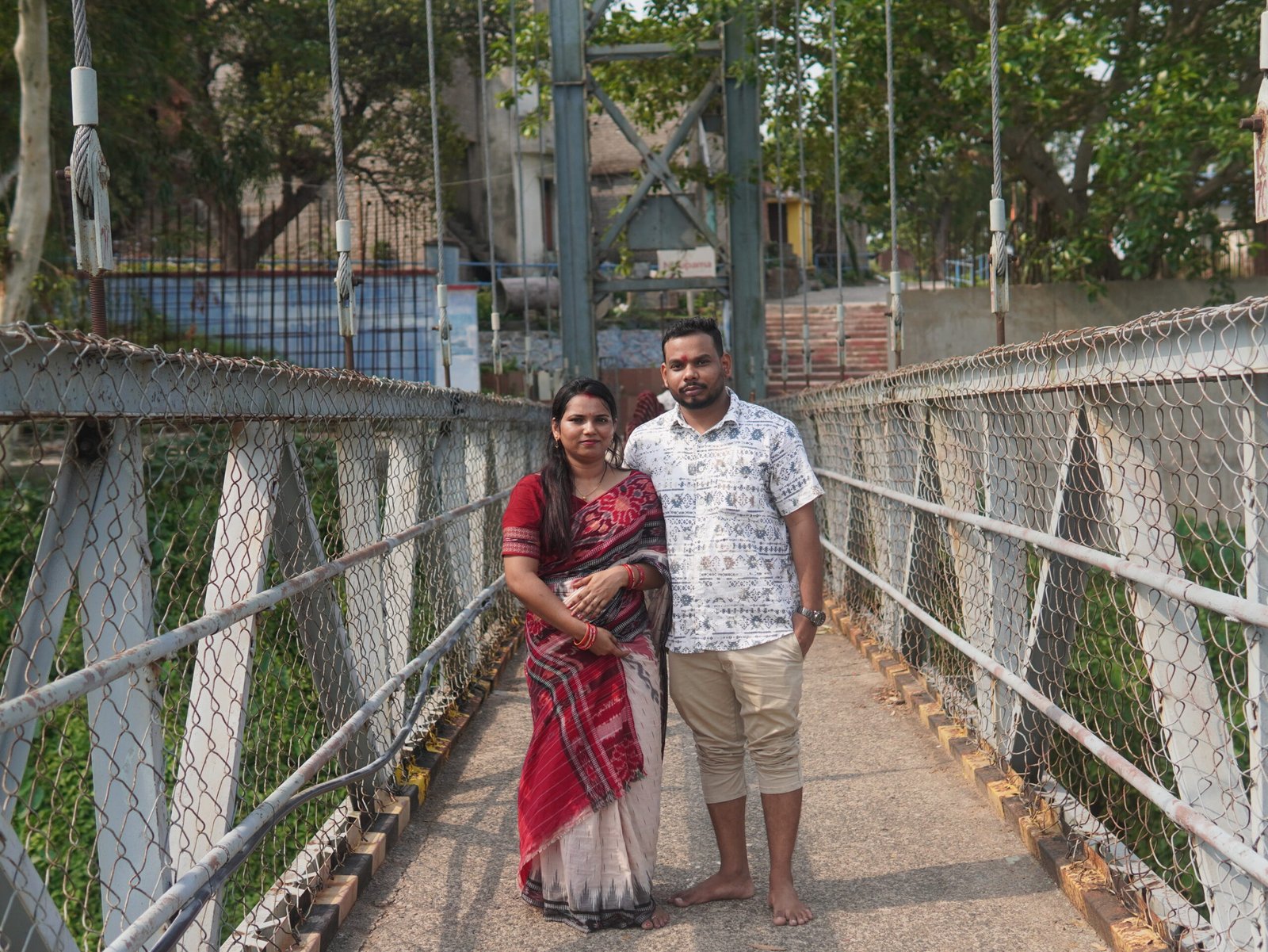
If there is one image that has come to define Dhabaleswar, it is the jhula pola — the swinging suspension bridge that stretches across the river like a ribbon of faith. Built in 2006, it spans 245 feet across the Mahanadi, 2 metres wide, for pedestrians and cycles only.
The bridge, the river, the sky — a moment that stops you mid-step.
Walking here felt like crossing a threshold — between the ordinary world and something far more sacred.
The Mahanadi, endless and still.Some memories don’t need a caption.
Bridge tip: Authorities limit the number of people at one time for safety. On weekends and festivals, expect a short queue. It is absolutely worth the wait.
Chapter Two
Baba Dhabaleswar — The Ancient Shrine
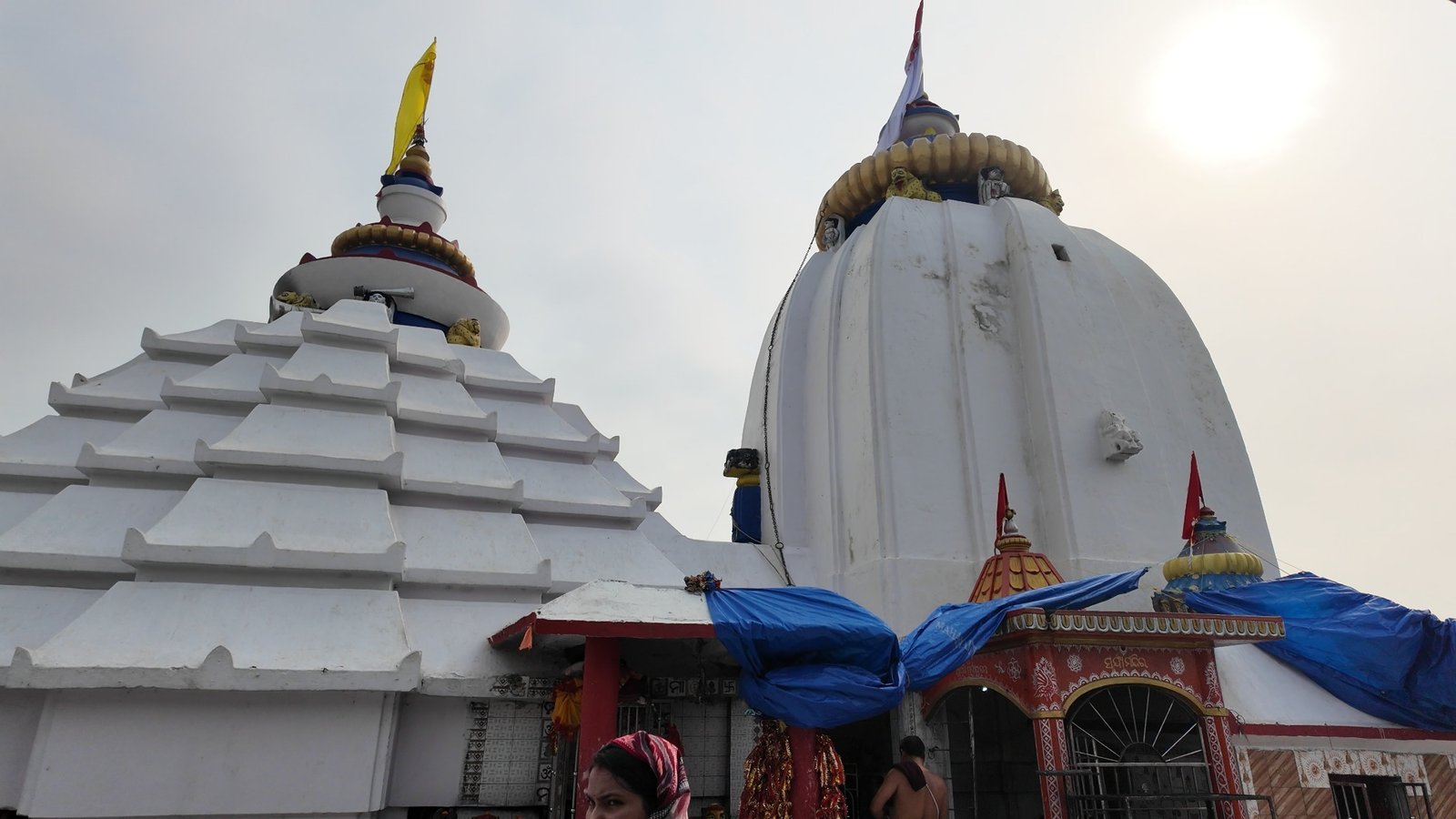
Once you step onto the island, the atmosphere changes. Bells, incense, and quiet devotion fill the air. The temple of Baba Dhabaleswar — built in Kalinga architecture during the Somavamshi dynasty (10th–11th century) — stands as one of Odisha’s oldest Shiva shrines.
Standing watch on the river island for over a thousand years.
Photography is not permitted inside the sanctum. That feels right. As we stood before the lingam, offered our flowers, and listened to the chants echo through the stone hall — it felt like enough. More than enough.
🕐
7 AM – 6 PM
🎟
Free Entry
📷
No Camera Inside
👟
Shoes Off
Chapter Three
The Legend — Why “Dhabaleswar”?
The Name Explained
“Dhabala” = White + “Eshwar” = God = The White God
In Odia, dhabala means white. The name was born from a miracle — the night Lord Shiva turned a stolen black calf completely white, sparing a desperate thief who prayed with all his heart.
According to legend, a thief stole a black calf and fled to this very island. Cornered by angry villagers, he had nowhere left to go — so he called upon Mahadev with everything he had.
Mahadev heard even the prayer of a thief — because what matters is not who you are, but the sincerity in your heart when you call.
Lord Shiva appeared as a holy sage. The black calf turned completely white. The villagers were stunned. The man was spared. And from that day, the deity here has been known as Baba Dhabaleswar.
Explore
Things To Do Here
Dhabaleswar is more than a temple visit. Here’s everything waiting for you on and around the island.
🌉
Bridge Walk
Cross the iconic jhula pola. Sway, pause, admire the river, repeat on the way back.
🙏
Temple Darshan
Offer prayers, light a lamp, and take in the stillness of a thousand-year-old shrine.
🚣
Mahanadi Boating
Paddle quietly on the river. Spot turtles, take in the scenery, let the water do the rest.
📸
Photography
River views, the bridge, the island, golden-hour light on the Mahanadi — it’s endlessly photogenic.
💈
Mundan Ceremony
Families come here for traditional first hair-cutting rituals — a deeply auspicious milestone.
🌅
Watch the Sunset
The Mahanadi at golden hour turns a deep burnished copper. Don’t leave before the light changes.
Celebrations
Festivals at Dhabaleswar
13 L+
Visitors arrive every year — and festivals bring the biggest waves
🪔
Maha Shivaratri
The grandest night of the year. Lamps light every corner of the island, lakhs of devotees chant through the night, and the Mahanadi glows.
🌕
Pausha Purnima
A sacred full moon celebration drawing thousands of pilgrims to take a holy dip and seek Lord Shiva’s blessings.
🌸
Dola Purnima
A vibrant spring festival celebrated with colour, devotion, and large community gatherings on the temple island.
🏮
Kartika Purnima
The month of Kartika is deeply sacred. Devotees light lamps along the river at dusk, creating a mesmerising reflection on the water.
Watch
See the Full Journey
From the moment we stepped onto the suspension bridge to the quiet walk back after darshan — the complete experience, captured.
▶ Full visit — Dhabaleswar Temple, Odisha | Destination Diary
Plan Ahead
Best Time to Visit
❄️
Winter
October – February
Cool, pleasant weather. Best for photography and a comfortable bridge walk.
🌿
Monsoon
July – September
Dramatic river, lush green banks. Check bridge conditions first — but the views are extraordinary.
🪔
Shivaratri
Feb / March
The grandest time. Lakhs of devotees, lamp-lit nights, an atmosphere unlike anything else. Come early.
On Site
Facilities Available
👟
Shoe Deposit
🌸
Puja Shops
🍱
Food Stalls
🛍️
Souvenirs
🅿️
Parking
💧
Drinking Water
🚣
Boating
🌉
New Bridge
Getting There
How to Reach Dhabaleswar
🚗
By Road
14–27 km from Cuttack. Drive or hire a taxi via Mancheswar / Bidanasi.
Easiest Option
🚂
By Train
Nearest station: Cuttack Railway Station. Auto or taxi from there — ~30–45 min.
Well Connected
✈️
By Air
Biju Patnaik Airport, Bhubaneswar (~60–70 km). Cabs and taxis available.
When we finally walked back across the suspension bridge — the evening light turning the Mahanadi a deep, burnished gold — neither of us said anything for a while. Some places do that. They fill you up just enough that words feel unnecessary for a moment.
Dhabaleswar does not shout for attention. It waits. And when you finally arrive, it gives you something rare: the feeling that you were meant to come here.
Plan your visit. Walk the bridge. Offer your prayers. Let the river do the rest.
🕉️
Har Har Mahadev.
May Baba Dhabaleswar bless you with good health, happiness, and peace. Thank you for journeying with us.