


Dhabaleswar Temple, Odisha
An Island of Faith in the Heart of the Mahanadi
There are some journeys you plan meticulously. And then there are the ones that simply call you — quietly, persistently — until one morning you find yourself standing at the edge of a wide, shimmering river, the sound of temple bells drifting across the water, and something inside you just settles. That is exactly how our visit to Baba Dhabaleswar felt.
Nestled on a serene island in the Mahanadi River, just about 14–27 km from Cuttack, Odisha, the Dhabaleswar Temple is one of those places that refuse to be described in bullet points. It is an experience — layered with devotion, history, natural beauty, and a stillness that stays with you long after you’ve returned home.
Whether you are a faithful pilgrim seeking the blessings of Lord Shiva, or simply a curious traveler drawn by tales of a swinging bridge above a great river — this post is your complete guide. But more than a guide, it is the story of how we arrived, what we felt, and everything we discovered along the way.
Arriving at the Riverbank — The First Glimpse
The road to Dhabaleswar winds through a landscape that feels increasingly unhurried. The noise of the city fades. Fields open up on either side. And then — suddenly — the Mahanadi comes into view, broad and calm, its waters carrying a centuries-old silence.
As you pull up near the entrance, the first thing you notice is the shoe deposit counters and small shops selling flowers, coconuts, and puja items. This is where the pilgrimage mood truly begins. You leave behind your footwear, pick up an offering, and step toward the river — and toward whatever awaits on the island across the water.
The Suspension Bridge — Walking Across the Mahanadi
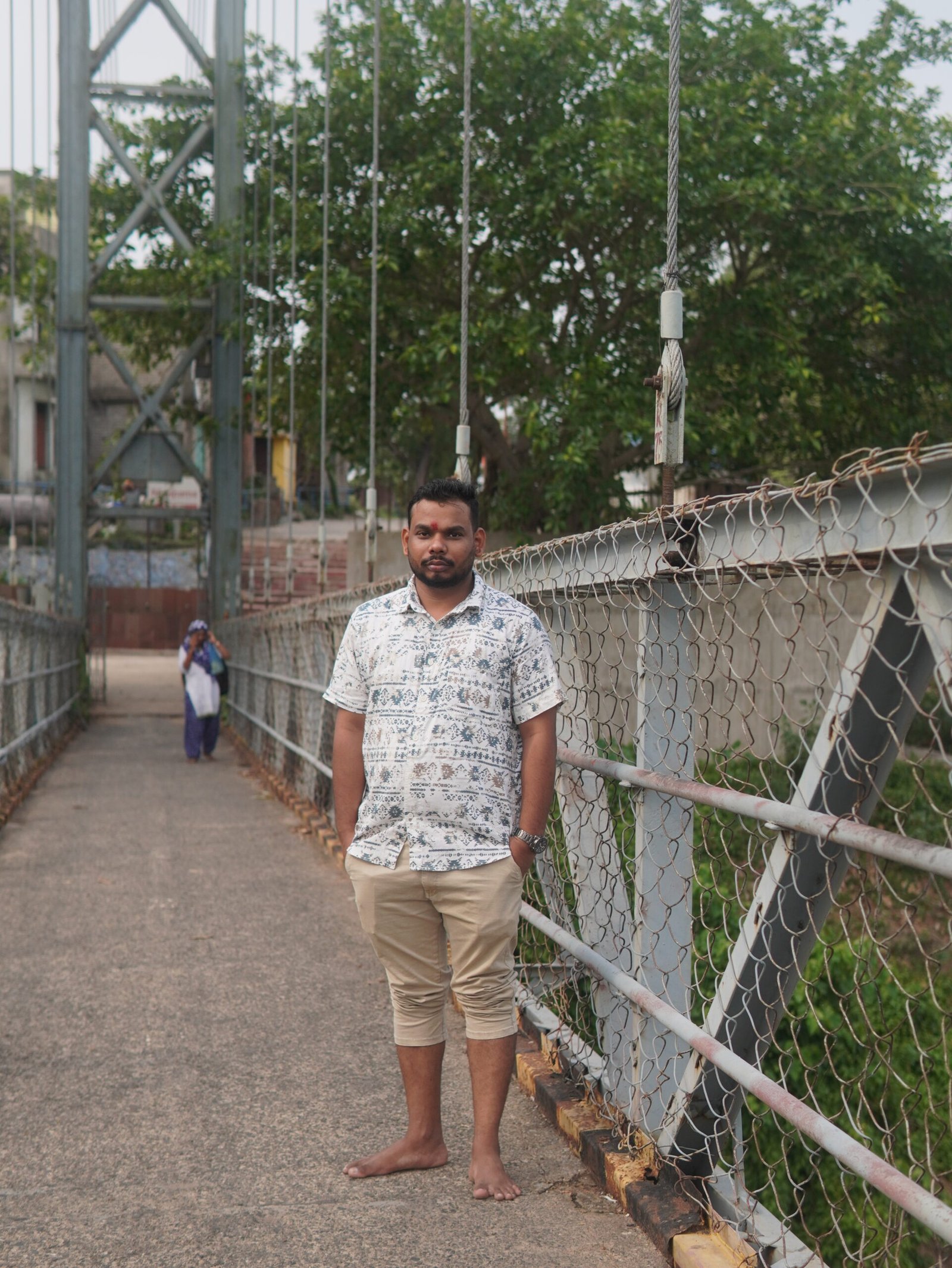
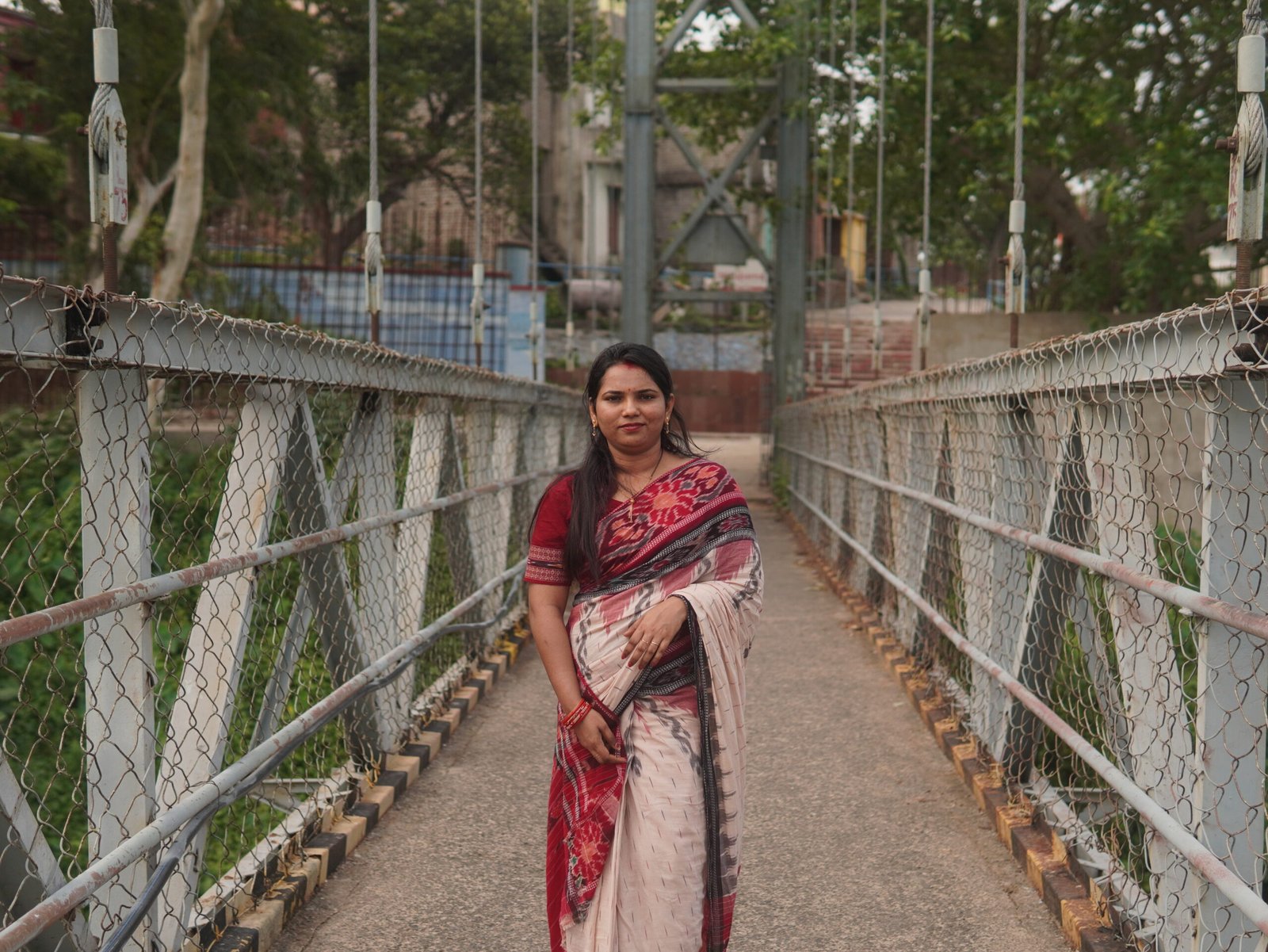
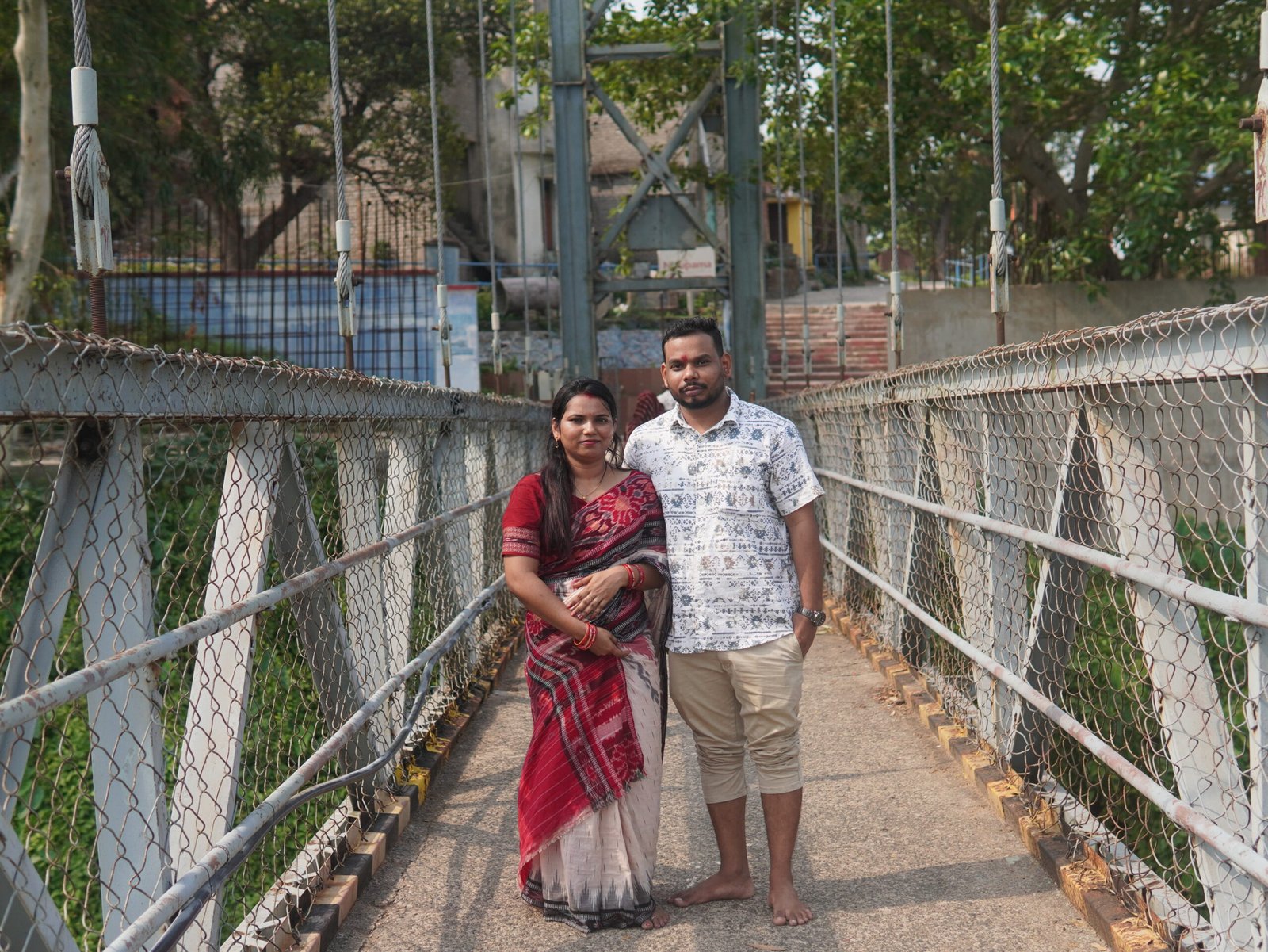
If there is one image that has become synonymous with Dhabaleswar, it is the jhula pola — the swinging suspension bridge that connects the mainland to the temple island.
Stretching approximately 245 feet across the Mahanadi, this pedestrian-only bridge is not just a means of crossing the river. It is a pilgrimage in itself. As you step onto the wooden planks and feel the gentle sway beneath your feet, you instinctively slow down. The river spreads wide below you. The temple island appears before you. The horizon fills with open sky.
The bridge was constructed in 2006 and is widely regarded as one of the longest suspension bridges of its kind in Odisha. It is 2 metres wide, meant only for pedestrians and cycles, and offers panoramic views of the river and the surrounding greenery in every direction.
For safety, authorities limit the number of people allowed on the bridge at any given time — which, if anything, makes the crossing feel more personal and serene. Even today, with a modern concrete bridge available, most visitors choose this path. Because the walk is part of the experience.
Baba Dhabaleswar — Darshan at the Sacred Shrine
Once you cross the bridge and step onto the island, the atmosphere shifts completely. The sound of bells grows clearer. The scent of incense mingles with the river breeze. Devotees move quietly, with purpose.
The temple of Baba Dhabaleswar is one of Odisha’s oldest and most revered Shiva shrines. Built in the Kalinga style of architecture, its history dates back to the early 10th and 11th centuries — originally constructed during the reign of the Somavamshi dynasty by King Yayati Keshari, and later renovated by Bir Kishor, the ruler of Khurda.
The temple may not be the grandest you have seen, but its setting — surrounded by the flowing Mahanadi, far from the noise of modern life — gives it a quality that far larger temples sometimes lack: stillness.
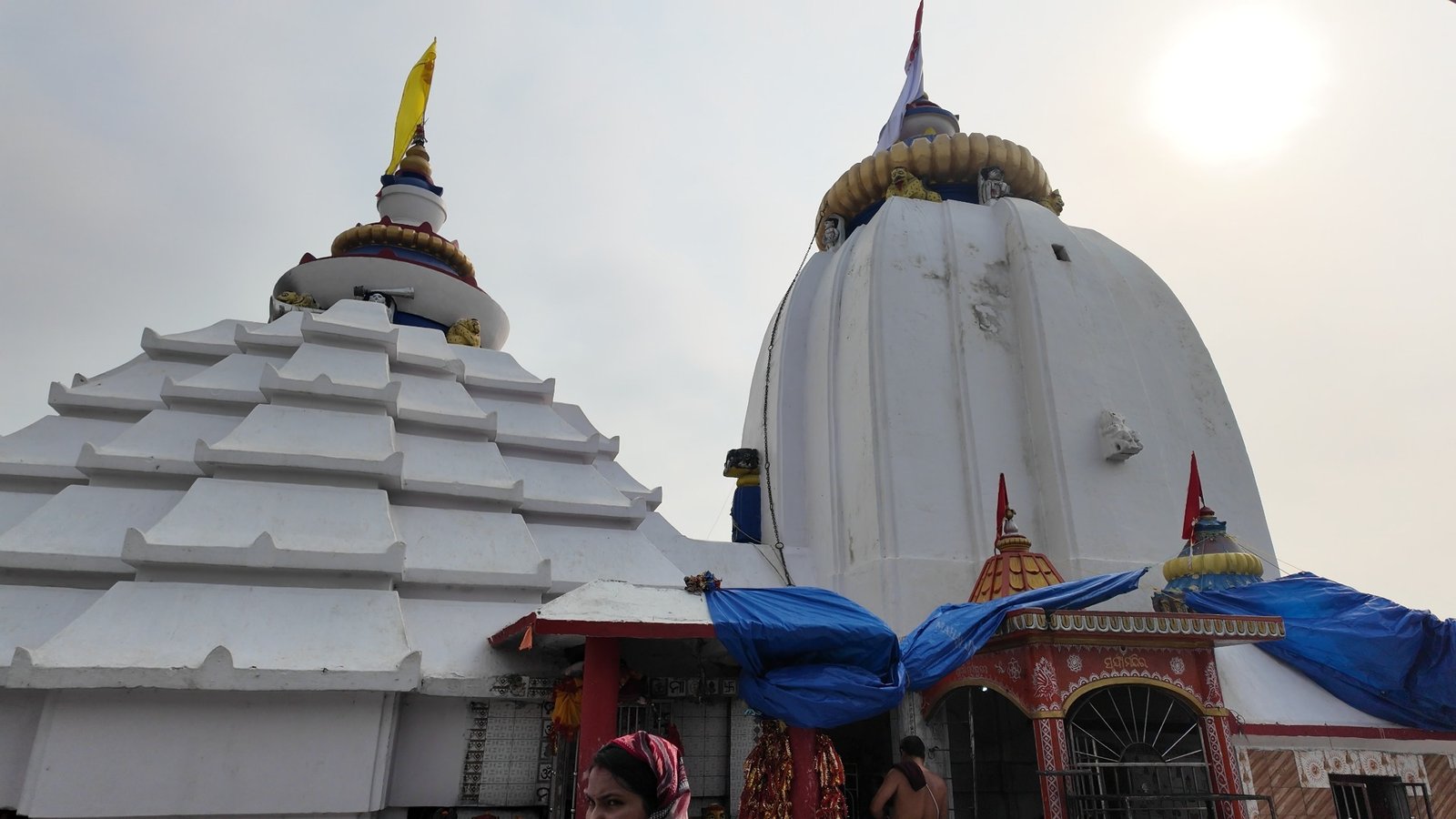
Photography is not permitted inside the sanctum sanctorum — and honestly, that feels right. There are moments that deserve to be lived, not documented. As we stood before Baba Dhabaleswar, offered our flowers and coconuts, and listened to the chants echo in the temple hall, it felt like enough. More than enough.
🕐 Temple Timings: 7:00 AM – 6:00 PM (approximately)
🎟 Entry: Free
📷 Photography: Permitted in the complex; not permitted inside the sanctum sanctorum
The Legend Behind the Name — Why “Dhabaleswar”?
Every sacred place carries a story. Dhabaleswar carries one that is both surprising and quietly beautiful.
The name itself holds the key: in Odia, “Dhabala” means white, and “Eshwar” means God. Together, Dhabaleswar — the White God. But how did Lord Shiva come to be known by this name here?
According to the local legend, many centuries ago, a thief stole a black calf and fled to this very island, seeking refuge near the temple. Angry villagers chased him. Cornered and terrified, the thief had nowhere left to turn — so he turned inward, and prayed. He called upon Lord Shiva with desperation and sincerity, promising to honour him with the grandest vow of his life if only he could be saved.
Moved by the earnestness of this prayer, Mahadev is believed to have appeared in the form of a holy sage. Through divine intervention, the black calf miraculously turned completely white. The villagers, stunned, let the man go.
From that day, Lord Shiva at this place has been worshipped as Baba Dhabaleswar — the White God. Whether you call it history, folklore, or faith, the story carries a truth that devotees across generations have returned to: that Mahadev hears those who call upon him with a pure heart.
Boating on the Mahanadi — A Quiet Escape
Before the suspension bridge existed, the only way to reach the temple island was by boat — and this tradition lives on. Even today, you can enjoy a peaceful paddle boat ride on the Mahanadi near the riverbank.
Unlike the glitzy boat rides you find at commercial tourist destinations, the boating here is simple and unhurried. The water is calm, the surroundings are green, and the only sounds are the gentle splash of oars and, occasionally, the distant toll of the temple bell carried on the wind.
Keep your eyes on the water — local visitors often spot river turtles gliding below the surface, though sightings are never guaranteed. It’s one of those small, delightful surprises that the Mahanadi quietly offers its visitors.
The Concrete Bridge — Modern Access to an Ancient Shrine
In recent years, a new concrete bridge has made the temple significantly more accessible. Vehicles can now cross to the island directly, which has been a major relief during festivals and peak pilgrimage seasons when thousands of devotees arrive simultaneously.
The new bridge has not replaced the old suspension bridge — it has simply added another dimension to the journey. Many visitors now arrive by vehicle across the concrete bridge, and then walk back across the jhula pola for the experience. Both routes are valid. Both are worth trying.
Religious Rituals & Sacred Ceremonies
Dhabaleswar is far more than a sightseeing spot — it is a living centre of faith and tradition. Throughout the year, the temple and its surroundings host numerous ceremonies that connect families to their spiritual roots.
The riverbank is a favoured location for the Mundan ceremony (Chudakarana) — the traditional first hair-cutting ritual for young children. The sacred surroundings and the gentle presence of the Mahanadi make this an especially auspicious choice for such milestones.
Special pujas and havans are conducted regularly, with families seeking blessings for health, prosperity, and well-being. During major festivals — particularly Maha Shivaratri — the island transforms entirely. The temple is lit with hundreds of lamps, the chants grow louder, and devotees arrive in their lakhs to pay their respects to Baba Dhabaleswar. Over 13 lakh visitors are said to visit annually, with Shivaratri, Pausha Purnima, Dola Purnima, and Kartika Purnima being the grandest celebrations of the year.
Watch Our Full Journey — On YouTube
Before we dive into the practical details, here’s our full video from the visit. From the moment we stepped onto the suspension bridge to the quiet serenity of the temple darshan — everything is captured here.
Best Time to Visit
Dhabaleswar can be visited throughout the year, though each season offers a different mood entirely.
Oct – Feb
Jul – Sep
Feb / Mar
What to Expect — Facilities at Dhabaleswar
Despite being on a river island, Dhabaleswar is well-equipped for visitors:
Facilities Available
How to Reach Dhabaleswar Temple
Getting There
Final Thoughts — A Place That Stays With You
When we finally walked back across the suspension bridge — the evening light turning the Mahanadi a deep, burnished gold — neither of us said anything for a while. Some places do that to you. They fill you up just enough that words feel unnecessary for a moment.
Dhabaleswar is not a spectacle. It does not shout for attention with grand architecture or modern amenities. What it offers is something rarer: a sense of continuity. The feeling that this river has been flowing here for thousands of years, that this Shiva lingam has been receiving prayers for centuries, that the people who came before you and the people who will come after you are all part of the same long, unbroken thread of devotion.
Whether you leave with a heart full of faith, a memory card full of photographs, or simply a quiet mind — Dhabaleswar leaves a mark.
Plan your visit. Walk the bridge. Offer your prayers. And let the Mahanadi do the rest.
Har Har Mahadev.
May Baba Dhabaleswar bless you with good health, happiness, and peace.
Thank you for joining us on this spiritual journey.